
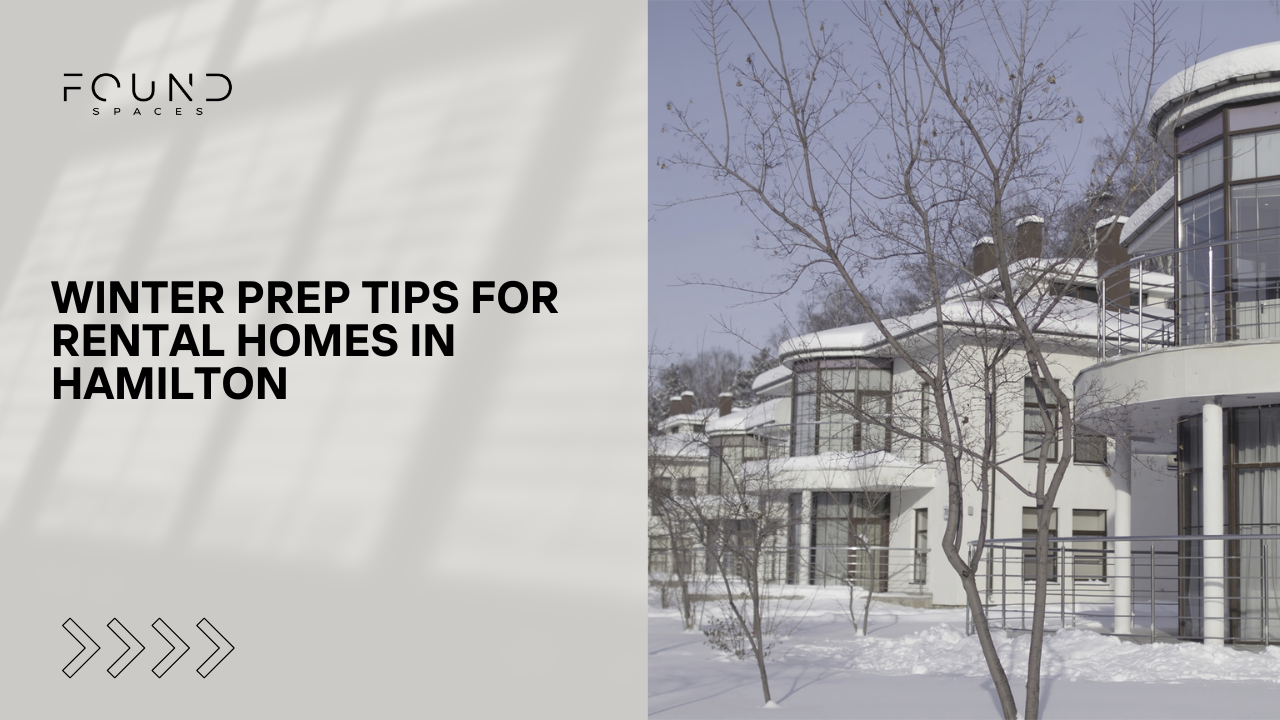
Winter can be a challenging season for rental homes in Hamilton. Snow, ice, and freezing temperatures can cause damage and discomfort if properties are not properly prepared. As a landlord, it’s important to take proactive steps to ensure your rental properties are ready for the cold months ahead. This not only protects your investment but also keeps your tenants safe and comfortable.
Getting rental homes in Hamilton ready for winter involves a few key tasks. From checking windows and doors to servicing heating systems, each step plays a crucial role in winterizing your property. Simple preparations can prevent costly repairs down the line and help maintain the property’s value. By taking these steps, you can ensure that your tenants will have a warm and safe environment throughout the winter season.
Effective winter preparation involves more than just indoor maintenance. Outdoor areas and gutters also need attention to prevent ice buildup and blockages. Properly managing these aspects is essential for avoiding accidents and ensuring that water flows away from the property correctly. By addressing both indoor and outdoor concerns, you can make sure your rental homes in Hamilton are fully prepared for whatever winter throws their way.
Inspecting and Sealing Windows and Doors
Properly inspecting and sealing windows and doors is essential for keeping rental homes in Hamilton warm during winter. Cold drafts can enter through gaps and cracks, making it harder to maintain a comfortable temperature inside.
Check for Drafts
Walk through the rental property with a candle or a piece of tissue paper. Hold it near the edges of windows and doors. If the flame flickers or the tissue moves, there is likely a draft. Identifying these areas helps you know where to focus your efforts.
Seal Gaps
Use weatherstripping to seal gaps around doors and windows. Apply caulking to cracks and holes where cold air can seep in. These inexpensive materials can significantly improve the insulation of the property, making it more energy-efficient.
Install Door Sweeps
Door sweeps help block drafts from coming in under exterior doors. Install them at the bottom of doors to provide an extra layer of protection against cold air.
Upgrade to Storm Windows
If windows are old or single-pane, consider installing storm windows. These provide an additional barrier against the cold and reduce heat loss, keeping the home warmer.
By thoroughly inspecting and sealing windows and doors, landlords can improve energy efficiency and reduce heating costs. This simple maintenance task can make a big difference in ensuring the comfort of tenants during the winter season.
Servicing Heating Systems
Servicing the heating system is a crucial step in preparing rental homes in Hamilton for winter. A well-maintained heating system ensures that the property stays warm and that tenants remain comfortable.
Schedule an Inspection
Have a professional inspect the heating system before the cold weather hits. They can check for any issues, such as malfunctioning parts or low efficiency, and perform necessary maintenance tasks.
Replace Filters
Dirty filters can reduce the efficiency of heating systems and affect air quality. Replace the filters in furnaces and HVAC systems to ensure proper airflow and optimal performance. Regular filter changes can also extend the life of the heating system.
Test Thermostats
Make sure thermostats are working correctly and accurately. Programmable thermostats can help tenants control heating costs by setting different temperatures for various times of the day. Ensure they are programmed correctly and provide instructions to tenants on how to use them.
Bleed Radiators
If the rental property uses a radiator heating system, bleed the radiators to remove any trapped air. This helps the system run more efficiently and provides even heating throughout the home.
Inspect Ductwork
Check the ductwork for any gaps or leaks that could cause heat to escape. Seal any problem areas to ensure that warm air is distributed evenly throughout the property.
Regularly servicing the heating system not only keeps the property warm but also helps prevent unexpected breakdowns. By taking these steps, landlords can ensure that their rental homes in Hamilton are ready for the winter season and keep tenants happy and comfortable.
Preventing Frozen Pipes
Preventing frozen pipes is vital for rental homes in Hamilton during the harsh winter months. Frozen pipes can burst and cause significant water damage, leading to costly repairs and inconvenience for tenants.
Insulate Pipes
Wrap pipes in unheated areas with foam insulation or heat tape. This includes pipes in basements, attics, and garages. Insulation helps maintain a consistent temperature, reducing the risk of freezing.
Seal Gaps
Seal any gaps or cracks around pipes that lead outside. Cold air entering through these gaps can cause pipes to freeze more quickly. Use caulking or spray foam to close these openings.
Keep a Steady Temperature
Maintain a consistent temperature inside the home, even if tenants are away. Set the thermostat to at least 15°C (59°F) to ensure the pipes stay warm. Encourage tenants to leave the heating on a low setting if they plan to be away for an extended period.
Open Cabinet Doors
Ask tenants to open cabinet doors under sinks, especially those located against exterior walls. This allows warm air to circulate around the pipes and helps prevent freezing.
Drip Faucets
During extreme cold, have tenants let faucets drip slightly. This keeps water moving through the pipes, reducing the chance of freezing.
Taking these preventive steps helps protect rental homes in Hamilton from the damage caused by frozen pipes, ensuring a trouble-free winter for both landlords and tenants.
Preparing Outdoor Areas and Gutters
Preparing outdoor areas and gutters is another key task for winterizing rental homes in Hamilton. Proper maintenance of these areas helps prevent accidents and property damage.
Clear Gutters
Clean out all leaves, debris, and dirt from gutters and downspouts. Clogged gutters can cause water to overflow and freeze, leading to ice dams that can damage the roof and siding.
Install Gutter Guards
Consider installing gutter guards to keep debris from entering and clogging the gutters. This helps maintain proper water flow and reduces the need for frequent cleaning.
Trim Trees and Shrubs
Trim any overhanging branches that could break under the weight of snow and ice. This prevents damage to the property and reduces the risk of injury to tenants.
Prepare Walkways and Driveways
Ensure that walkways and driveways are clear of obstructions. Apply ice melt or sand to these areas to improve traction and prevent slipping. Regular salting and shovelling can keep these areas safe for tenants.
Store Outdoor Furniture
Store or cover outdoor furniture to protect it from the elements. Secure any loose items that could be blown away or damaged by winter storms.
Properly preparing outdoor areas and gutters ensures rental homes in Hamilton are safe and well-maintained during winter. This helps prevent accidents and protects the property from potential damage.
Conclusion
Preparing rental homes in Hamilton for the winter season is essential for ensuring a safe and comfortable living environment for tenants. Landlords need to focus on various aspects, from inspecting and sealing windows and doors to servicing heating systems, preventing frozen pipes, and preparing outdoor areas and gutters. These steps help maintain the property’s condition and protect against potential winter-related hazards.
Winter preparations should be thorough and consistent. Regular inspections and timely maintenance tasks go a long way in preventing issues like drafts, inefficient heating, frozen pipes, and accidents due to ice. Addressing both indoor and outdoor areas ensures that rental homes are fully equipped to handle the challenges of winter.
Taking the time to winterize rental homes not only preserves the value of the property but also enhances tenant satisfaction by providing a warm and safe living space. This careful attention to detail demonstrates a commitment to quality property management.
Need help preparing your rental property for winter? Contact Found Spaces today and let our expert team assist you in ensuring your property remains in top condition all season long.

Kate Mackay is the founder and CEO of Found Spaces Property Management, managing over 600 rental units across Hamilton, Stoney Creek, Ancaster, Dundas, and the greater Hamilton area. She built Found Spaces from the ground up starting in 2017 and specializes in full-service property management for residential landlords and real estate investors.