Owning a rental property in Hamilton should feel like a solid investment, not a legal risk hanging over your head. But starting January 1, 2026, many landlords now face a new reality. The Hamilton rental housing licence is now a permanent requirement for small rental properties in Wards 1, 8, and parts of Ward 14.
If you own a detached home, townhouse, or building with five or fewer self contained units in these areas, you are required to obtain a licence to continue renting legally. Operating without one can lead to fines of up to $1,000 per day, inspections, and potential enforcement action from the City of Hamilton.
For many landlords, this raises immediate questions. Does my property qualify? What documents do I need? How do inspections work? What happens if I miss a step?
That is where Found Spaces comes in. We work directly with Hamilton landlords to simplify compliance, reduce risk, and make sure nothing falls through the cracks. From verifying eligibility in Wards 1, 8, and 14 to preparing your rental housing licence application and getting inspection ready, we help you move forward with clarity and confidence.
Understanding the Hamilton rental housing licence requirements now can protect your rental income, your reputation, and your long term investment in the local market.
What Is the Hamilton Rental Housing Licence?
The Hamilton Rental Housing Licence is now a permanent requirement for certain small rental properties in Wards 1, 8, and parts of Ward 14. As of January 1, 2026, landlords who own detached homes, townhouses, or buildings with five or fewer self contained rental units in these areas must obtain a licence from the City of Hamilton to legally operate.
This program began as a pilot and was formally adopted through City Council approval. The goal is straightforward. The City wants to ensure smaller rental properties meet fire code, building code, and property standards. For landlords, that means documentation, inspections, and annual renewals are now part of doing business in these wards.
If your property falls within the designated zones, this is not optional. Operating without a valid rental licence can result in fines of up to $1,000 per day, enforcement action, and potential legal proceedings.
Who Is Affected by the 2026 Rules?
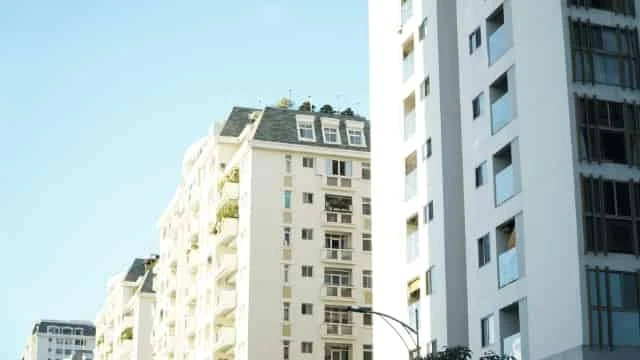
Many landlords assume this only applies to larger buildings, but the opposite is true. The focus is on smaller residential rental properties.
If you rent out a detached house, a townhouse, or a small multi unit building with five or fewer units in Wards 1, 8, or parts of Ward 14, you are likely required to apply. Even if you are renting individual units within a single property, you may still fall under the licensing framework.
There are limited exemptions. Fully owner occupied properties may not qualify. Certain regulated housing types and short term rentals may also fall outside the program. However, exemptions do not remove your responsibility to comply with building code, fire code, and property standards. Licensing and compliance are related but separate obligations.
Because the ward boundaries are specific, many landlords benefit from confirming eligibility before beginning the application process.
What the Application Process Actually Involves
To ensure you meet the Hamilton rental housing licence requirements, start by verifying that your property is located within Wards 1, 8, or 14. If it qualifies, gather all necessary documents for your application. This includes the Business Licence Application Form, proof of ownership, a floor plan of your rental unit, and a Certificate of Compliance. You will also need to secure liability insurance with at least $2 million coverage.
Next, prepare for property inspections by familiarizing yourself with local safety and property standards. Schedule these inspections with the city to ensure your property complies with all regulations. After passing the inspections, submit your application along with the required documents and payment to the city. The licensing fee will depend on the number of rental units you own.
Once you submit your application, keep track of its status and be ready to respond to any requests from the city. After receiving your licence, display it prominently within your rental property, as required. Remember, you must renew your licence annually to maintain compliance with safety standards and regulations.
- Verify your property’s eligibility within Wards 1, 8, or 14 before starting the application.
- Gather required documents: Business Licence Application Form, proof of ownership, and floor plan.
- Ensure you have a Certificate of Compliance and adequate liability insurance ($2 million coverage).
- Prepare for property inspections by reviewing local safety and property standards.
- Schedule inspections with the city to assess compliance and address any potential issues.
- Submit your application along with the required documents and payment to the city.
- Pay the licensing fee, which varies based on the number of rental units owned.
- Track the status of your application and be responsive to any requests from the city.
- Once approved, display your licence prominently within the rental property as required.
- Renew your licence annually, keeping your property compliant with safety standards and regulations.
Why Preparation Matters More Than You Think
For many landlords, the inspection stage creates the most uncertainty. Minor deficiencies that were never previously flagged can become issues during a licensing review. Something as simple as missing documentation, an outdated floor plan, or an overlooked safety item can delay approval.
The cost of non compliance goes beyond the licence fee. Fines can reach $1,000 per day for operating without a licence. Enforcement investigations can also lead to broader scrutiny of the property. In more serious cases, legal proceedings may follow.
That is why early preparation matters. Understanding exactly what the City expects and reviewing your property before inspectors arrive can prevent unnecessary complications.
How This Affects Long Term Rental Strategy

The Hamilton rental housing licensing program signals a shift in how smaller rental properties are regulated. Oversight is increasing, and documentation standards are becoming more formalized.
This may also intersect with other obligations, such as building permits for renovations, compliance with the Residential Tenancies Act, and adherence to broader municipal property standards. Licensing is one piece of a larger regulatory framework.
For landlords who view their properties as long term investments, compliance is not just about avoiding fines. It is about protecting asset value, maintaining stable tenancy, and reducing legal exposure.
How Found Spaces Supports Hamilton Landlords
Hamilton’s rental housing licence requirements are detailed, time sensitive, and enforced. Missing a document or failing an inspection can delay approvals and expose you to fines. For many landlords, the real challenge is knowing where to start and how to avoid costly mistakes.
Found Spaces works alongside Hamilton property owners to manage the process from beginning to end. We confirm whether your rental falls within Wards 1, 8, or the affected areas of Ward 14, organize required documentation, prepare your application, and help ensure your property is inspection ready. Our focus is preventing issues before they become violations.
The 2026 licensing rules are now permanent. If your property qualifies, action is required. Do not wait for enforcement to force your next move. Contact Found Spaces today for a compliance review and protect your rental income with confidence.

Frequently Asked Questions
Do I need a rental licence in Hamilton in 2026?
If you own a detached home, townhouse, or small residential building with five or fewer rental units in Wards 1, 8, or parts of Ward 14, you are required to obtain a rental housing licence as of January 1, 2026.
What types of properties are affected?
The licensing program targets small residential rental properties. This includes single family homes rented to tenants, townhouses, and small multi unit buildings with five or fewer self contained units located within the designated wards.
What happens if I rent without a licence?
Landlords operating without a valid licence may face fines of up to $1,000 per day, enforcement action, and potential legal proceedings. Continued non compliance can lead to increased scrutiny from the City.
What documents are required for the application?
You must complete a business licence application and provide proof of ownership, a detailed floor plan, liability insurance coverage of at least $2 million, and a Certificate of Compliance. Your property must also pass required inspections.
Does this apply outside Wards 1, 8, and 14?
No. The current permanent licensing program applies only to specific areas within Wards 1, 8, and portions of Ward 14. However, all rental properties in Hamilton must still comply with building code and property standards.
How long does approval take?
Timelines vary depending on application completeness and inspection results. Incomplete submissions or failed inspections can significantly delay approval.
TL;DR Starting January 1, 2026, landlords in Hamilton’s Wards 1, 8, and parts of Ward 14 must obtain a rental housing licence for properties with five or fewer self-contained units. Fully owner-occupied properties where no rental units are operated are exempt. Compliance includes submitting an application, scheduling property inspections, and paying applicable fees. Non-compliance can lead to fines up to $1,000 per day and legal action. Landlords should verify their property’s eligibility, prepare all required documents, and act early to protect their rental income. For guidance, contact Found Spaces to ensure compliance