
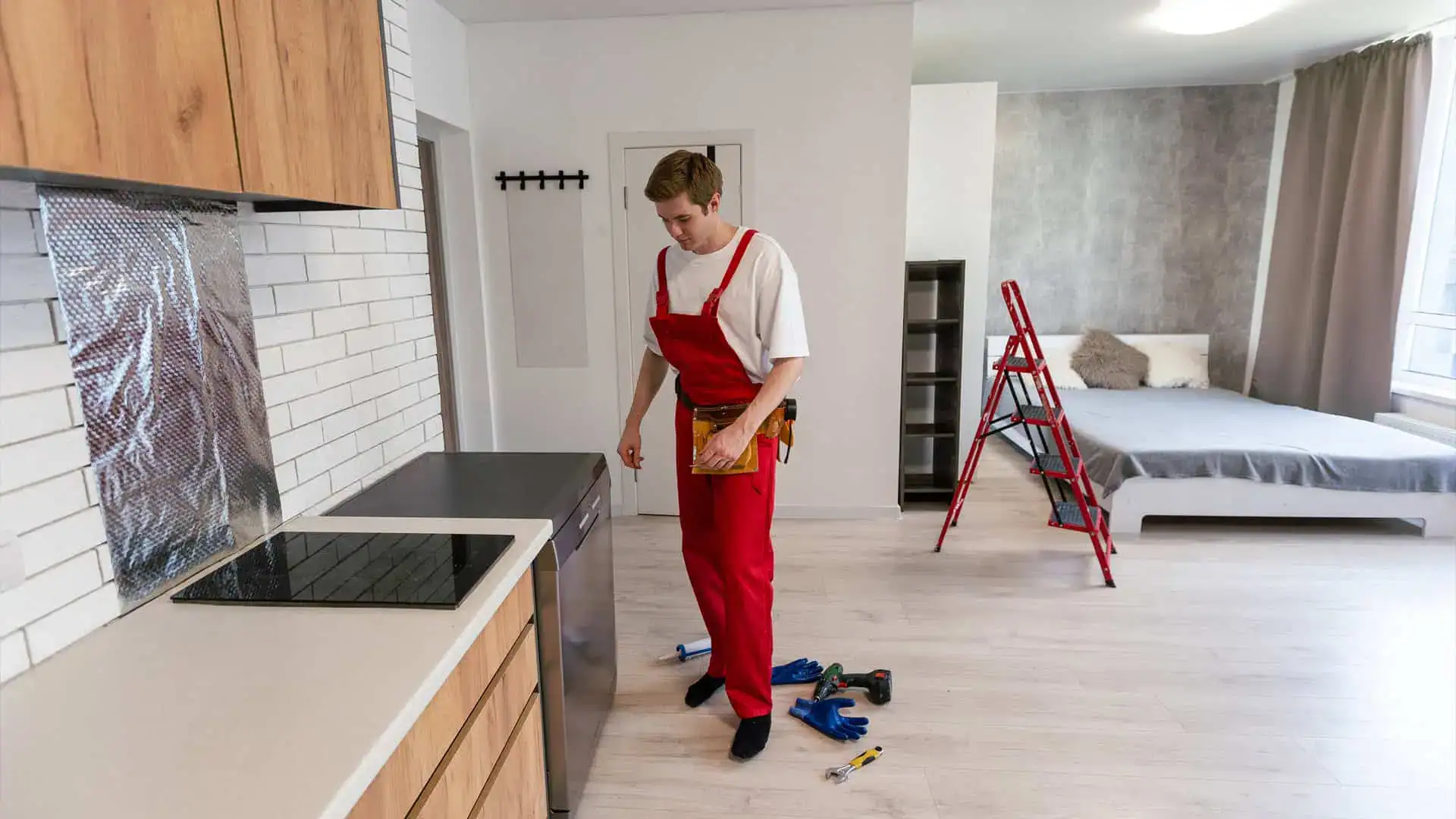
For many landlords in Hamilton, property maintenance only becomes urgent when something goes wrong. A leak appears, a furnace stops working, or a tenant complains at the worst possible time. By then, the damage is already done. In a city known for older homes, shifting seasons, and demanding weather, waiting to react can quickly turn minor issues into expensive repairs and unnecessary disputes.
Proper property maintenance in Hamilton is not just about keeping tenants happy. It is about protecting your investment, meeting Ontario maintenance requirements, and avoiding problems that disrupt cash flow and peace of mind. Regular inspections, seasonal upkeep, and clear documentation help landlords stay ahead of issues instead of chasing them.
This is where Found Spaces comes in. Found Spaces helps landlords and property owners understand the real condition of their rentals through detailed property inspections and clear maintenance guidance. With the right insight and support, property maintenance becomes proactive, manageable, and far less stressful.
What Property Maintenance in Hamilton Actually Includes
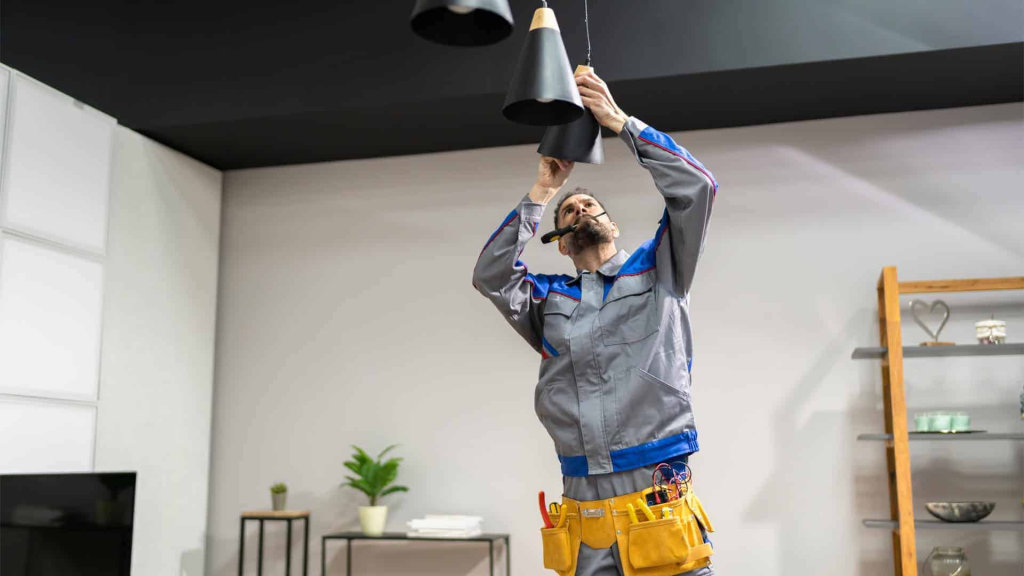
Property maintenance is not just about fixing things when they break. For landlords in Hamilton, it is an ongoing process that protects the property, keeps tenants safe, and prevents small issues from turning into expensive problems.
At its core, property maintenance includes regular inspections that help identify early signs of trouble with plumbing, electrical systems, roofs, and heating. Catching these issues early can save thousands in repair costs and avoid unnecessary tenant stress. Routine upkeep such as gutter cleaning, lawn care, and exterior checks helps prevent water damage and structural wear, especially in older Hamilton homes.
Seasonal maintenance plays a major role as well. Preparing pipes and heating systems before winter helps avoid burst pipes, heating failures, and emergency calls during the coldest months. Pest control, safety equipment checks, and timely emergency repairs all support a safe and liveable rental environment.
Just as important is proper documentation. Keeping clear records of inspections, repairs, and upgrades helps landlords stay organized, compliant, and protected if disputes arise. A realistic maintenance schedule ties everything together, ensuring nothing important gets overlooked.
Core property maintenance tasks typically include:
- Routine property inspections
- Seasonal preparation and weather-related upkeep
- Plumbing, electrical, and heating system checks
- Pest prevention and control
- Safety equipment inspections
- Exterior and landscaping maintenance
- Repair documentation and maintenance planning
Why Property Maintenance Matters in Hamilton

Property maintenance matters everywhere, but in Hamilton it carries extra weight. Many rental properties are older, weather conditions are demanding, and tenants expect homes to be safe, functional, and well cared for.
When maintenance is handled proactively, landlords protect the long-term value of their property while creating a more stable rental experience. Well-maintained homes lead to fewer tenant complaints, stronger retention, and lower turnover costs. Tenants who feel supported are more likely to stay longer and treat the property with care.
Hamilton’s winters, moisture levels, and seasonal temperature swings can quickly expose weak points in a property. Without regular maintenance, small issues like leaks or ventilation problems can escalate into mold, water damage, or heating failures. These situations often lead to emergency repairs, tenant frustration, and avoidable disputes.
Consistent maintenance also supports legal compliance. Staying ahead of repairs helps landlords meet Ontario standards and reduces the risk of complaints, inspections, or fines. More importantly, it creates a sense of trust. When tenants see that issues are handled promptly and professionally, communication improves and rent payments become more reliable.
Landlord Maintenance Responsibilities Under Ontario Law
Ontario law places clear maintenance responsibilities on landlords, and failing to meet them can lead to serious consequences. Under the Residential Tenancies Act, landlords must keep rental units in a good state of repair and ensure they meet health, safety, and housing standards at all times.
This includes maintaining essential systems such as plumbing, electrical, and heating. If a tenant reports an issue, landlords are expected to respond within a reasonable timeframe and take appropriate action. Heating must function properly during colder months, and common areas must be kept safe and accessible.
Advance notice is also required. Landlords must provide at least 24 hours written notice before entering a unit for inspections or maintenance, except in emergencies. Clear communication and respectful notice help prevent misunderstandings and protect tenant rights.
Documentation plays a critical role here. Keeping records of inspections, maintenance requests, repairs, and contractor work can protect landlords if disagreements arise. In many cases, disputes are not about whether maintenance occurred, but whether it can be proven.
Regular inspections help landlords stay compliant, spot issues early, and avoid falling behind on legal responsibilities. Staying informed about changes in Ontario housing regulations is equally important, as expectations can shift over time.
Common Property Maintenance Issues Found in Hamilton Rentals
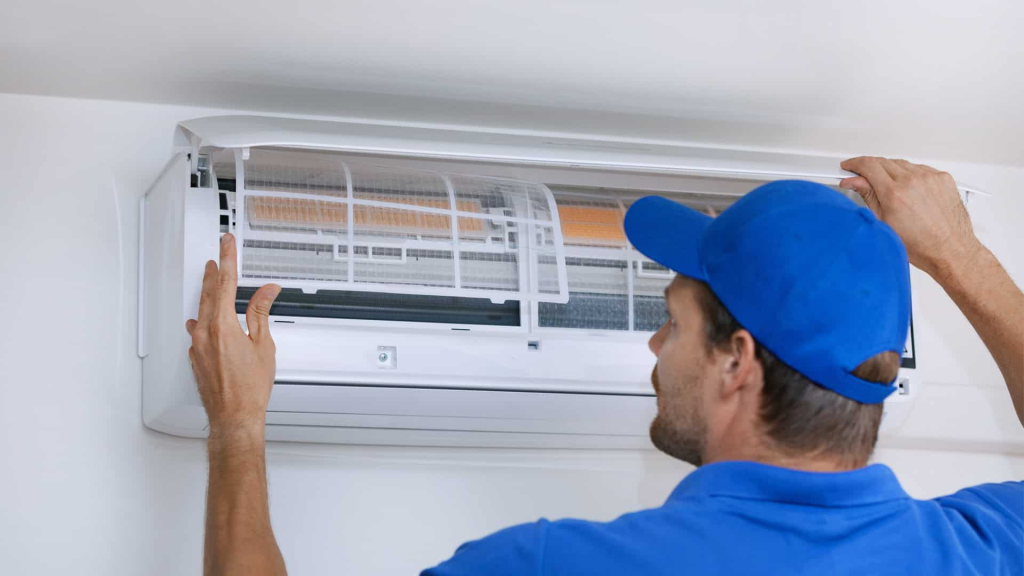
Hamilton landlords frequently encounter maintenance issues tied to aging properties and challenging weather conditions. Plumbing problems are among the most common, ranging from slow leaks to pipe failures that can quickly lead to water damage or mold if ignored.
Heating issues are another frequent concern, especially during winter. Older furnaces or poorly maintained systems can fail when tenants need them most. Electrical issues such as outdated wiring, tripped breakers, or flickering lights also pose safety risks and should be addressed promptly.
Roof leaks and exterior wear are common in older homes, often caused by worn shingles, clogged gutters, or seasonal freeze and thaw cycles. Moisture buildup in basements and bathrooms can lead to mold growth if ventilation and humidity control are inadequate.
Pest issues, appliance failures, and neglected landscaping also appear often, especially when maintenance is reactive rather than planned. These problems tend to escalate when inspections are delayed or documentation is missing.
Understanding these common issues helps landlords plan ahead, prioritize inspections, and avoid the cycle of emergency repairs that disrupt both tenants and budgets.
DIY Maintenance vs Professional Property Maintenance Services
Many landlords handle basic maintenance themselves, and for small tasks this can work well. Simple jobs like replacing light fixtures, changing filters, or handling minor landscaping are often manageable.
Problems arise when landlords take on repairs that require technical expertise, specialized tools, or licensing. Plumbing, electrical, and heating work can create safety risks and legal exposure if handled incorrectly. Mistakes often cost more to fix than hiring a professional in the first place.
Time is another factor. Managing repairs personally can become overwhelming, especially for landlords with multiple properties or full-time jobs. Professional services offer efficiency, accountability, and in many cases, warranties that reduce long-term risk.
Understanding what can safely be handled in-house and when to bring in qualified professionals helps landlords protect both their property and their peace of mind.
How Found Spaces Supports Property Maintenance in Hamilton

Found Spaces helps landlords move from reactive maintenance to informed, proactive decision-making. Through detailed property inspections, their team helps identify maintenance risks early, before they turn into costly repairs or tenant disputes.
Rather than focusing only on repairs, Found Spaces emphasizes clarity and documentation. Inspections are supported with clear records, photos, and guidance that help landlords understand what needs attention and why. This documentation becomes especially valuable when questions arise from tenants or regulatory bodies.
Found Spaces also helps landlords plan maintenance more effectively by highlighting patterns, recurring issues, and areas where preventive action makes the biggest difference. The result is fewer surprises, better communication, and stronger control over property condition and costs.
When to Schedule a Property Maintenance Review
Certain moments make property maintenance reviews especially important. Before a new tenant moves in, a review helps ensure the unit is safe, functional, and ready. At the end of a lease, it supports smoother turnover and clearer accountability.
Maintenance reviews are also essential after tenant complaints, extreme weather events, or recurring repair issues. Seasonal changes, particularly before winter, are a smart time to assess heating systems, insulation, and plumbing.
For most landlords, scheduling maintenance reviews at least twice a year helps prevent problems from building unnoticed. Regular reviews bring structure to maintenance planning and reduce the risk of last-minute emergencies.
Property Maintenance in Hamilton Starts With the Right Support
Owning and managing rental property in Hamilton comes with real challenges. Aging homes, harsh winters, and rising tenant expectations leave little room for guesswork. When maintenance is handled reactively, small issues turn into urgent repairs, strained tenant relationships, and unexpected costs.
The difference between constant problems and long-term stability is not doing more work. It is knowing what to address, when to act, and how to document it properly. Regular inspections, clear records, and proactive planning help landlords stay ahead instead of falling behind.
Found Spaces helps Hamilton landlords take control of property maintenance with clarity and confidence. Through detailed inspections and clear documentation, they help uncover hidden risks, prioritize repairs, and reduce the chance of disputes or costly surprises. The goal is simple. Fewer emergencies, better communication, and stronger protection for your investment.

Frequently Asked Questions
What should landlords regularly check in their properties?
Landlords should regularly check for leaks, electrical issues, wear and tear, and the overall cleanliness of their properties. Keeping up with these checks can prevent bigger problems down the line.
How can maintenance help keep tenants happy?
Good maintenance shows tenants that their comfort matters. Prompt repairs and well-kept spaces create a positive living environment, which can lead to longer tenant stays.
What are common maintenance tasks landlords should handle?
Common tasks include plumbing repairs, lawn care, HVAC servicing, and pest control. Staying on top of these tasks ensures properties remain safe and attractive.
How often should property inspections be done?
Property inspections are best done at least twice a year. This helps identify any issues early and keeps the property in good shape.
Can landlords do maintenance themselves or should they hire professionals?
It depends on the task. Small jobs may be manageable for landlords, but complex repairs, especially involving plumbing or electrical work, are best left to professionals for safety and efficiency.
TL;DR For landlords and property owners in Hamilton, effective property maintenance is crucial for tenant satisfaction and investment protection. Key tasks include routine inspections, minor repairs, seasonal upkeep, and safety checks. Understanding your legal responsibilities under Ontario law is essential to avoid disputes. Common maintenance issues in Hamilton rentals include plumbing problems, roof wear, and mold. While DIY work is fine for minor tasks, professional services are recommended for complex repairs. Found Spaces offers tailored solutions to support landlords in managing their properties effectively. Schedule a maintenance review when renting, after tenant complaints, or when issues arise. Proactive maintenance is vital for maintaining a safe and comfortable living environment.