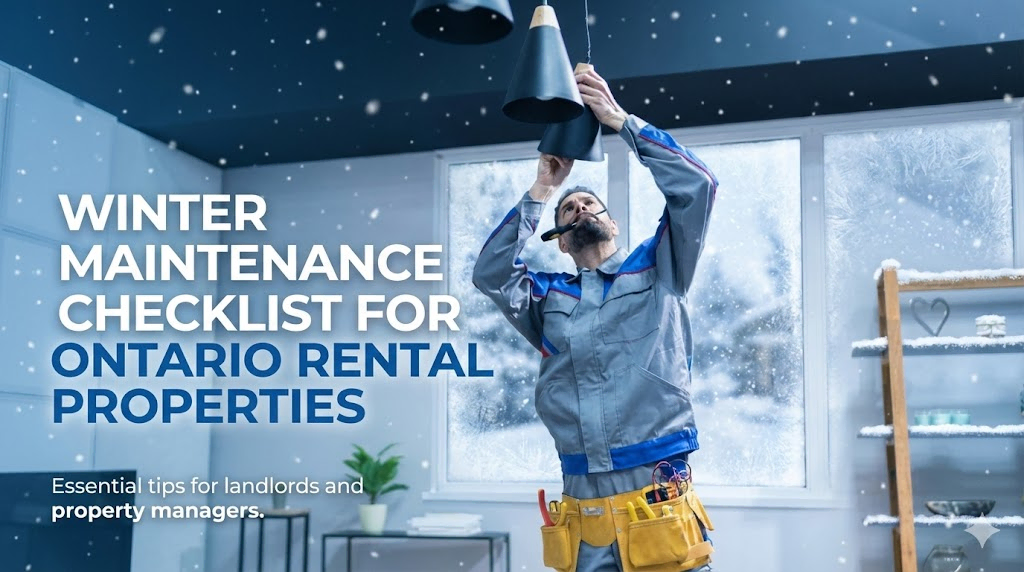
Winter in Ontario has a way of exposing problems fast. A furnace stops working during a cold snap. A tenant slips on an icy walkway. A frozen pipe bursts overnight and floods a unit. For landlords, these are not just inconveniences. They are safety issues, legal risks, and expensive repairs that often could have been prevented.
That’s why winter maintenance for rental properties in Ontario is not optional or seasonal housekeeping. It is a core part of meeting your responsibilities as a landlord. Heating systems must be reliable and meet provincial requirements. Snow and ice need to be managed consistently to reduce liability. Plumbing, roofs, and exterior systems all need attention before cold weather turns small issues into emergencies. Just as important, tenants need clear guidance on what to expect and how to report problems early.
At Found Spaces, we see firsthand how proactive winter maintenance protects tenants and saves property owners from unnecessary stress and costs. This winter maintenance checklist breaks down what Ontario landlords should address before and during winter, with a clear focus on safety, compliance, and long term property protection.
Why Winter Maintenance Matters for Ontario Landlords
In Ontario, winter problems rarely start as emergencies. They usually begin as small issues that were easy to miss in the fall. A furnace that had not been serviced. A loose handrail buried under snow. A slow drain that freezes overnight. When temperatures drop, those issues escalate fast.
For landlords, the consequences go beyond inconvenience. Ontario’s Residential Tenancies Act requires rental units to be kept in a good state of repair and fit for habitation year round. That includes reliable heat, safe access to the building, and protection from water damage. When something goes wrong in winter, response time matters. Delays can lead to tenant complaints, insurance claims, or even Landlord and Tenant Board disputes.
There is also a financial side that often gets overlooked. Emergency repairs cost more than planned maintenance. Slip and fall incidents can result in liability claims. Burst pipes can displace tenants and take units offline for weeks. At Found Spaces, we see winter maintenance as risk management, not routine upkeep.
Done properly, winter preparation protects tenants, keeps properties compliant, and prevents avoidable costs. This checklist focuses on what Ontario landlords are responsible for and how early action reduces both legal and financial exposure during the most demanding season of the year.
Heating Systems and Emergency Heat Requirements in Ontario Rentals
Few things trigger tenant complaints faster than heat issues in January. In Ontario, landlords are required to provide and maintain adequate heat throughout the winter months. When a heating system fails, it is not just a comfort issue. It becomes a habitability problem that requires prompt action.
Heating maintenance starts before winter arrives. Furnaces, boilers, and heat pumps should be professionally inspected and serviced annually. Filters, vents, and radiators need to be clear so systems can operate efficiently. If a unit relies on a central system, landlords remain responsible for repairs regardless of tenant behavior.
Emergency preparedness matters just as much. Landlords should have a clear plan for after hours heating failures, including access to qualified repair services. Temporary heat solutions may be required while permanent repairs are completed, but safety must remain the priority.
From a risk standpoint, heating failures often escalate into insurance claims or tenant displacement when not addressed quickly. At Found Spaces, we find most winter heating emergencies could have been avoided with documented inspections and clear response protocols.
Ontario landlord winter heating checklist:
- Annual professional inspection of heating systems
- Clear response timeline for heat loss complaints
- Working smoke and carbon monoxide detectors
- Documented maintenance and repair records
Reliable heat is one of the clearest standards landlords are judged on in winter.
Snow and Ice Removal Responsibilities for Rental Properties
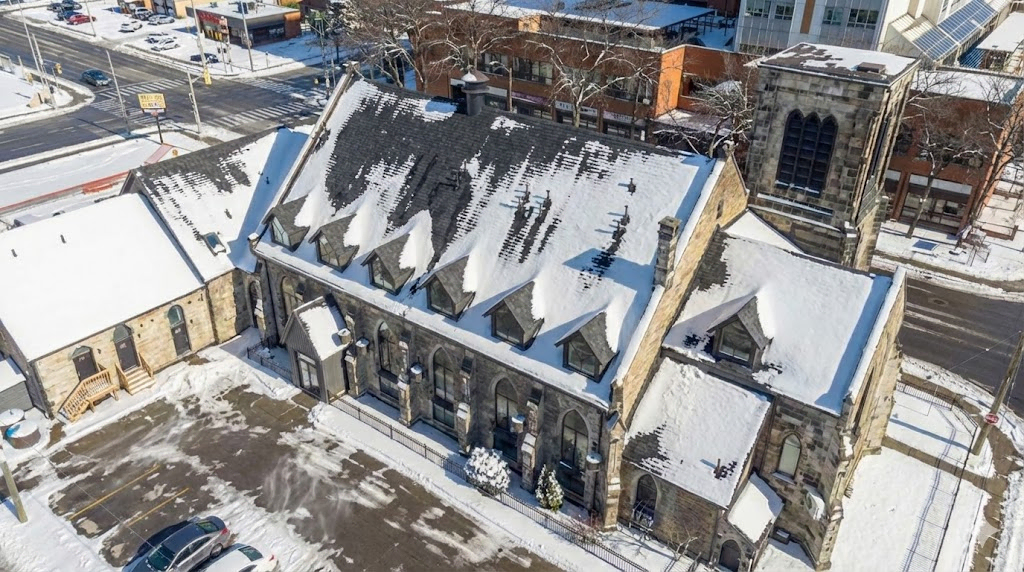
Snow and ice are one of the biggest liability risks for Ontario rental properties. Slips and falls in common areas can lead to injury claims, insurance involvement, and legal disputes. In most cases, landlords are responsible for keeping shared spaces safe, even when snow continues to fall.
A clear snow and ice removal plan is essential. Walkways, entrances, stairs, ramps, and parking areas should be identified in advance, along with expected clearing timelines. Relying on vague arrangements or informal tenant help often leads to gaps that create risk.
Lease agreements should clearly outline what tenants are responsible for, if anything, and what remains the landlord’s duty. However, assigning responsibility does not remove liability if common areas are unsafe. Documentation matters here. Keeping records of snow removal services, schedules, and inspections can make a major difference if an incident occurs.
At Found Spaces, we see winter slip claims most often when snow removal is inconsistent or poorly documented.
Snow and ice management essentials for Ontario landlords:
- Defined snow removal schedule for common areas
- Reliable service provider or maintenance staff
- Regular inspections during freeze and thaw cycles
- Written records of clearing and de icing
Snow removal is not just about cleanliness. It is about preventing injuries and protecting the property owner.
Plumbing and Frozen Pipe Prevention in Rental Units

Frozen pipes are one of the most expensive winter failures a landlord can face. When pipes burst, the damage is rarely contained to one unit. Flooding can affect multiple floors, require major restoration, and force tenants to relocate temporarily.
In Ontario rental properties, landlords are responsible for maintaining plumbing systems and preventing foreseeable damage. Winter inspections should focus on exposed pipes, exterior walls, basements, crawl spaces, and shut off valves. Insulation in these areas is not optional when temperatures drop.
Tenants play a role in reporting issues early, but prevention rests with the landlord. A frozen pipe often starts with poor insulation, drafts, or deferred maintenance. Insurance claims related to frozen pipes may be denied if reasonable precautions were not taken.
From a risk perspective, plumbing failures combine property damage, tenant disruption, and long term repair costs. At Found Spaces, we treat frozen pipe prevention as a priority well before winter begins.
Plumbing protection checklist for Ontario winters:
- Inspect and insulate vulnerable piping
- Secure exterior taps and shut offs
- Monitor unheated or low traffic units
- Maintain records of preventative work
Preventing one burst pipe can save tens of thousands in repairs and lost rent.
Roof, Gutters, and Exterior Winter Checks
Winter puts constant pressure on a building’s exterior. Snow load, ice buildup, and repeated freeze thaw cycles can expose weaknesses quickly. For landlords, exterior maintenance is directly tied to water intrusion, structural damage, and tenant safety.
Roof inspections should happen before snowfall. Missing shingles, flashing issues, and small leaks tend to worsen under ice and snow. Gutters and downspouts must be clear so melting snow can drain away from the building instead of backing up and freezing.
Ice dams are a common issue in Ontario winters. When heat escapes through the roof, snow melts and refreezes at the edges, forcing water back under shingles. Left unchecked, this can cause interior leaks and mold issues.
Exterior lighting, stairs, handrails, and vents should also be inspected. Poor visibility and blocked exhaust vents increase safety risks during winter months.
Exterior winter maintenance priorities:
- Roof inspection and minor repairs before snowfall
- Clean gutters and downspouts
- Check for ice dam risk areas
- Confirm exterior lighting and ventilation are clear
Exterior checks protect both the structure and the people living inside it.
Tenant Communication During the Winter Months
Clear communication can prevent many winter issues from becoming emergencies. Tenants who understand what to report, when to report it, and how quickly action will be taken are far more likely to flag problems early.
For Ontario landlords, winter communication should focus on expectations and response. Tenants should know how to report heat loss, leaks, or unsafe conditions and what qualifies as urgent. This reduces confusion and delays when timing matters most.
Written winter guidelines are helpful, especially for multi unit buildings. These can outline reporting procedures, emergency contacts, and general winter reminders without shifting responsibility away from the landlord.
At Found Spaces, we find that consistent winter communication reduces disputes and improves tenant cooperation during extreme weather.
Effective winter communication practices:
- Clear emergency contact information
- Defined maintenance response expectations
- Seasonal reminders sent before winter begins
- Simple reporting process for urgent issues
Good communication does not replace maintenance, but it makes maintenance more effective.
How Found Spaces Supports Winter Maintenance for Ontario Rental Properties
Winter maintenance becomes overwhelming when landlords are forced to react instead of plan. That is where having the right property management support makes a measurable difference. Found Spaces helps Ontario landlords stay ahead of winter risks by focusing on prevention, documentation, and clear communication.
Instead of waiting for heating failures or slip hazards to surface, Found Spaces coordinates seasonal inspections, schedules preventative maintenance, and ensures critical systems are checked before winter conditions peak. Heating systems, plumbing vulnerabilities, exterior safety issues, and snow removal plans are addressed early, reducing the chance of emergencies during cold snaps.
Equally important is compliance. Winter is when many landlord responsibilities are tested under real conditions. Found Spaces helps ensure properties meet Ontario habitability standards, that response timelines are reasonable, and that maintenance records are properly documented. This documentation matters when dealing with insurance providers, tenant complaints, or Landlord and Tenant Board matters.
Tenant communication is also part of the process. Clear reporting channels, seasonal reminders, and fast coordination with contractors help issues get resolved before they escalate. For landlords, this means fewer after hours emergencies, better tenant relationships, and more predictable winter costs.
Winter in Ontario is demanding. Having a structured, proactive approach turns it from a liability into a manageable season.

Frequently Asked Questions
Who is responsible for snow removal in Ontario rental properties?
Landlords are generally responsible for snow and ice removal in common areas such as walkways, entrances, and parking areas.
What are Ontario’s heating requirements for rental units in winter?
Landlords must provide adequate and reliable heat throughout the winter season and respond promptly to heating failures.
Can frozen pipes make a rental unit uninhabitable?
Yes. Burst or frozen pipes can lead to water damage and displacement, creating habitability and insurance issues.
Do tenants have winter maintenance responsibilities?
Tenants are responsible for reporting issues promptly, but maintenance and repairs remain the landlord’s duty.
Is documenting winter maintenance important?
Yes. Records help demonstrate compliance and protect landlords if disputes or claims arise.