In Ontario’s rental market, navigating rent increase Ontario is crucial for tenants and property owners. Property management companies play a key role as intermediaries. This post delves into the legal framework governed by the Landlord and Tenant Board (LTB) and the Residential Tenancies Act (RTA), providing insights on rent hikes, ensuring compliance and fairness.

The Legal Framework Governing Rent Increases in Ontario
Ontario’s rental market is regulated by the RTA, which outlines specific rules that property management companies must follow to increase rent. Key points include:
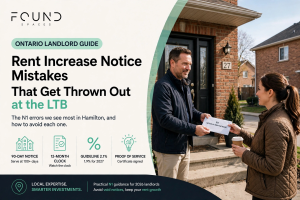
1. Rent Increase Guidelines: Each year, the Ontario government sets a guideline for rent increases, which is the maximum amount by which rent can be raised without LTB approval. Property management companies must adhere to this guideline, which is based on the Ontario Consumer Price Index.
2. Notice Period: The RTA mandates that tenants must be given at least 90 days’ written notice before any rent increase. This notice must be on a form (N1) approved by the LTB, ensuring transparency and proper documentation.
3. Frequency of Increases: Rent can only be increased once every 12 months under normal circumstances. Property management companies cannot implement increases more frequently without specific grounds, such as significant renovations or additions to the property.
4. Above-Guideline Increases (AGIs): In certain cases, property management companies may apply to the LTB for an AGI. This is applicable when significant capital expenditures or extraordinary increases in municipal taxes or charges justify an increase beyond the annual guideline.
The Role of Property Management Companies
Property management companies act on behalf of property owners, and their actions must comply with Ontario’s rental laws. Their responsibilities include:
- Communicating Increases: Ensuring tenants are informed of rent increases through proper notice, adhering to the legal timeframe and format.
- Justifying Increases: When seeking AGIs, property management companies must provide detailed justifications and documentation to the LTB, undergoing a review process.
- Maintaining Compliance: Regularly updating their knowledge of the RTA and LTB guidelines to ensure all rent increase actions are compliant.
Tenant Rights and Protections
Tenants in Ontario are protected under the RTA from unlawful rent increases. They have the right to:
- Challenge Increases: Tenants can dispute a rent increase if they believe it does not comply with the RTA or if proper notice was not given.
- Seek Information: Tenants can request a breakdown of costs associated with AGIs, providing transparency into the reasons behind significant rent hikes.
Property management companies play a pivotal role in the administration of rent increases within Ontario’s regulatory framework. By adhering to the guidelines set by the LTB and the RTA, these companies ensure that rent hikes are justified, transparent, and fair. For tenants, understanding these regulations provides a safeguard against unwarranted increases, maintaining a balanced and equitable rental market.

As the rental landscape continues to evolve, staying informed about legal requirements and tenant rights is crucial for all parties involved. Whether you’re a property owner, a tenant, or a property management professional, knowledge of the RTA and LTB guidelines is key to navigating rent increases competently and compliantly.
This blog post aims to demystify the process and regulations surrounding rent increases in Ontario, highlighting the role of property management companies within the legal framework. By fostering a deeper understanding of these regulations, we can contribute to a more transparent, fair, and well-regulated rental market.

Kate Mackay is the founder and CEO of Found Spaces Property Management, managing over 600 rental units across Hamilton, Stoney Creek, Ancaster, Dundas, and the greater Hamilton area. She built Found Spaces from the ground up starting in 2017 and specializes in full-service property management for residential landlords and real estate investors.