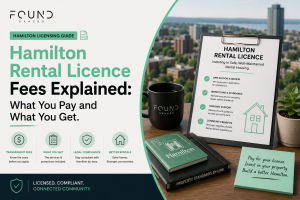

In the dynamic world of real estate in Ontario, Canada,knowing property management regulations Ontario is vital for investors, owners, and tenants. This blog explores regulations, ensuring clarity on standards, accountability, and professionalism. Gain insight into how these regulations impact you.

The Regulatory Framework in Ontario
Ontario’s approach to regulating property management companies is designed to ensure a high standard of service and protection for all stakeholders involved in the rental market. Here’s what you need to know:
1. The Condominium Management Regulatory Authority of Ontario (CMRAO): Established under the Condominium Management Services Act, 2015, the CMRAO is a key regulatory body for condominium management providers. This includes many property management companies that manage condo properties, ensuring that they meet specific licensing requirements, adhere to a code of ethics, and engage in continuous professional development.
2. The Real Estate and Business Brokers Act, 2002 (REBBA): While not all property management activities fall under REBBA, those that involve trading in real estate must comply with its provisions. This includes property managers who buy and sell properties as part of their services, necessitating registration with the Real Estate Council of Ontario (RECO).
3. Local Bylaws and Standards: In addition to provincial regulations, property management companies must comply with local bylaws and housing standards. These can vary by municipality and cover aspects like property maintenance, safety standards, and tenant rights, ensuring that properties are managed in accordance with local requirements.
The Importance of Regulation
Regulations serve multiple purposes in the property management landscape:
- Consumer Protection: Ensuring that property management companies operate ethically and professionally protects the interests of property owners and tenants.
- Industry Standards: Regulation helps maintain a high standard of service within the industry, promoting best practices and continuous improvement.
- Accountability: Regulatory frameworks provide mechanisms for addressing complaints and disputes, offering recourse for those affected by substandard management practices.
Choosing a Regulated Property Management Company
When selecting a property management company in Ontario, consider the following:
- Compliance Record: Check the company’s history with regulatory bodies to ensure they have a clean record of compliance.
- Professional Associations: Membership in industry associations like the Association of Condominium Managers of Ontario (ACMO) can indicate a commitment to industry standards and ethics.

While the regulatory environment for property management companies in Ontario is multifaceted, it is designed to protect the interests of all parties involved in the property management process. Understanding these regulations can help property owners and investors make informed decisions, ensuring they partner with companies that are not only compliant but also committed to delivering high-quality management services.
By navigating the regulatory landscape with informed confidence, stakeholders can contribute to a more transparent, accountable, and professional property management industry in Ontario.

Kate Mackay is the founder and CEO of Found Spaces Property Management, managing over 600 rental units across Hamilton, Stoney Creek, Ancaster, Dundas, and the greater Hamilton area. She built Found Spaces from the ground up starting in 2017 and specializes in full-service property management for residential landlords and real estate investors.