Finding a safe and well-maintained rental property in Canada can feel stressful, especially when you are trying to make the right decision in a tight market. It is easy to fall in love with a place at first glance, only to discover issues after moving in. A hidden leak, a faulty outlet, or poor ventilation can turn a fresh start into a frustrating and expensive problem. That is why you should inspect property before signing the lease.
A solid inspection helps you protect your deposit, understand the condition of the home, and avoid disputes with your landlord. It also gives you the confidence of knowing exactly what you are agreeing to. This is where Found Spaces becomes a helpful partner for renters. We guide you through what to look for, what to document, and how to flag issues before they become headaches.
Challenges of Finding a Rental Property in Canada
Finding a rental home in Canada can feel like an uphill battle, especially when you are trying to balance safety, affordability, and comfort. Many renters feel frustrated long before they even book a viewing. Here are the most common challenges people run into, and why they make the search so stressful:
- High competition in major cities: In places like Toronto, Vancouver, and Montreal, rentals disappear within hours. This pressure can make you feel rushed into decisions that do not serve you long term.
- Bidding wars and rising prices: Competing with dozens of applicants often means paying more than expected or compromising on quality. It is easy to feel discouraged when your budget does not stretch far enough.
- Limited supply of suitable units: Families, students, newcomers, and pet owners often struggle to find units that match their needs. The right home can feel out of reach even after weeks of searching.
- Different rental laws across provinces: Ontario, BC, Alberta, and Quebec all have unique rules. If you are new to Canada or moving between provinces, it is normal to feel confused or overwhelmed.
- Misleading or outdated online listings: Photos can hide damage, amenities may be misrepresented, and some listings stay online long after they are taken. This often leads to wasted time and disappointment.
- Rental scams targeting desperate renters: Fraudulent listings trick people into sending deposits before viewing the property. Many renters fear being taken advantage of, especially when they are under pressure to move quickly.
- Preference for long term tenants: Some landlords avoid short term or flexible renters, creating challenges for students, contract workers, and newcomers still settling in.
- Slow or complicated application processes: Gathering documents, references, and credit checks can take time, and delays often mean losing the unit to someone else.
- Maintenance concerns and unclear expectations: High turnover and rushed cleanings can mean hidden problems waiting for the next tenant. Poor communication about rules and responsibilities adds even more stress.
Risks of Skipping a Rental Property Inspection
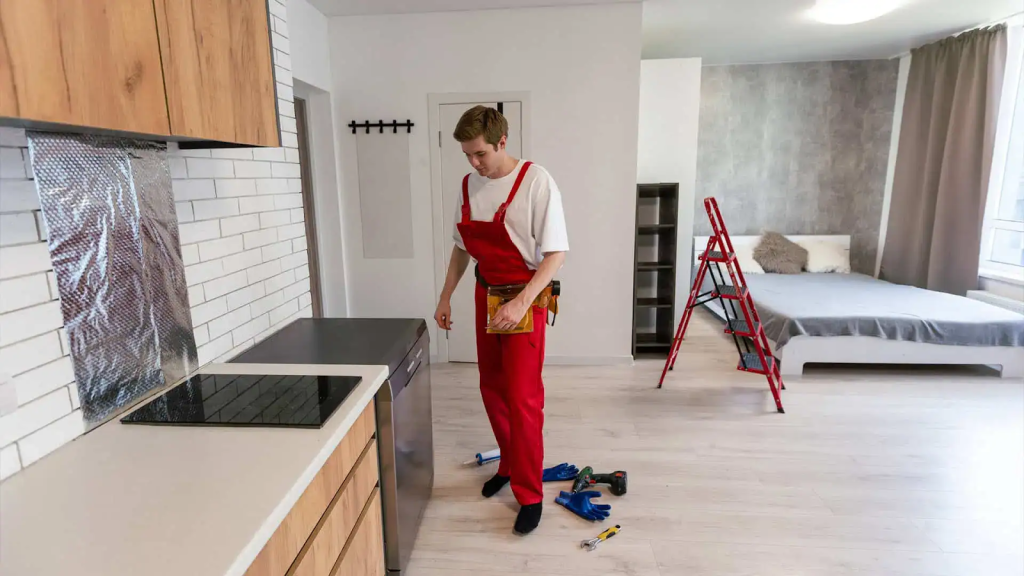
Skipping a rental property inspection can expose you to a range of serious risks. For instance, undiscovered structural issues might lead to costly repairs later, putting a strain on your finances. You could encounter hidden mold or pests that not only affect the property but can also pose serious health risks. Plumbing problems that go unreported may result in severe water damage, leading to high utility bills and further complications. Additionally, electrical hazards can create fire risks, putting your safety in jeopardy.
Without a proper inspection, the lack of documentation can complicate disputes over damages, making it harder to resolve issues with landlords. Unsatisfactory living conditions can lead to tenant dissatisfaction, affecting your overall experience. You might also face unforeseen maintenance costs that arise unexpectedly, draining your budget.
Moreover, if the property fails to meet legal standards, you could be at risk of lease violations, causing potential legal headaches. Unaddressed safety features, such as smoke detectors or secure locks, can endanger tenants. Ultimately, the overall condition of the property may not meet your expectations, leading to disappointment and frustration.
Ultimate Checklist for Inspecting a Rental Property
Before visiting a rental property, it’s smart to prepare a checklist to keep everything organized. Schedule your visit during daylight hours to get the best visibility of the space. Bringing a flashlight can be very helpful, especially for inspecting darker areas like basements or corners. As you walk through each room and the outdoor areas, take detailed notes; this will help you remember your observations later.
Pay close attention to signs of previous water damage, such as stains on ceilings or walls, and peeling paint, as these can indicate ongoing issues. Don’t hesitate to ask the landlord about the property’s history and any past problems. It’s also important to check for proper ventilation in bathrooms and kitchens to prevent moisture buildup.
If possible, try to visit the property multiple times. This way, you can assess noise levels and traffic patterns at different times of the day. Look for signs of pests or vermin, particularly in corners and cupboards, as these can be a red flag for hygiene issues.
Finally, confirm the availability of utilities before you move in. Ensuring that everything is in working order can help you avoid surprises once you are settled into your new home.
Exterior Inspection Items to Check

When reviewing the exterior of a rental property, start with the roof. Missing shingles or sagging areas can lead to leaks and expensive repairs. Move on to the foundation and exterior walls and look for cracks or separation, as these may signal structural issues. Check the siding or paint for chipping or damage, which can indicate poor upkeep.
Gutters and downspouts should be clear and draining properly, since water that pools near the building can cause long term damage. Assess the landscaping, paying attention to overgrown trees or shrubs that may require maintenance or pose safety risks.
Outdoor lighting is another important factor. Proper lighting improves safety and makes the property more secure. Inspect fences, gates, and railings for stability. They should latch securely and feel solid when you test them. Check the condition of driveways and walkways for cracks or uneven surfaces that might create hazards. If the home has balconies or decks, take a moment to test their stability and look for signs of rot or weakness. Finally, make sure windows are sealed well to prevent drafts and unnecessary heating costs.
Interior Inspection Items to Check
The inside of the home deserves just as much attention. Begin by scanning ceilings and walls for water stains or discoloration, which can point to leaks. Look at the floors and note any damage, soft spots, or excessive wear. These are signs of how well the property has been maintained.
Test every window to make sure it opens and closes smoothly. Stuck or broken windows can affect ventilation and comfort. While you are inspecting, look for signs of pests such as droppings or insect trails, especially around baseboards and storage areas.
Open and close every door to confirm they work properly without sticking. Check closets and storage spaces to ensure you have enough room for your belongings. Confirm that heating and cooling systems are working. Turn on light fixtures and ceiling fans to confirm they operate correctly and do not make unusual noises. Also pay attention to any strong odors, since these can indicate mold, plumbing issues, or poor ventilation. The general cleanliness of the space will tell you a lot about how the landlord manages the property.
Kitchen and Appliance Inspection Checklist
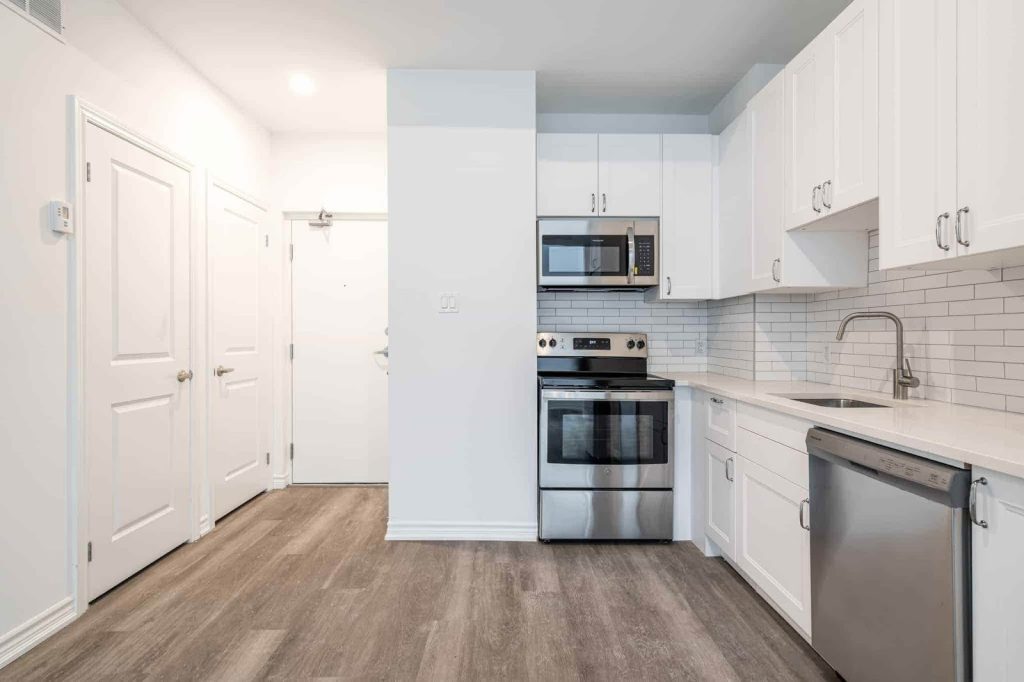
The kitchen is one of the most important areas to inspect. Start by checking that the refrigerator cools properly and runs quietly. Turn on the cooker to see if all burners heat up as they should. Run the dishwasher briefly to confirm there are no leaks or electrical issues. Inspect countertops for cracks or stains that could signal neglect.
Look under the kitchen sink for signs of leaks or water damage. Check that cabinet doors and drawers open and close smoothly without sticking. Test smaller appliances like the microwave to make sure they are functional. Confirm that the range hood and ventilation system work well, since proper airflow helps prevent moisture and cooking odors from lingering.
If the kitchen has gas appliances, use soapy water on the connections to check for leaks. Ask the landlord how old each appliance is and whether any warranties are still active. This gives you a sense of potential repair or replacement needs in the future.
- Test the refrigerator for cooling efficiency and any noises.
- Check the cooker for proper functioning of all burners.
- Ensure the dishwasher runs without leaks or errors.
- Inspect countertops for damage or stains.
- Look under the sink for signs of leaks or water damage.
- Check the condition of cabinets and drawers for functionality.
- Check if the microwave and other appliances are in working order.
- Ensure proper ventilation above the stove.
- Check for gas leaks around gas appliances using soapy water.
- Ask about the age of appliances and warranty information.
Bathroom Inspection Essentials
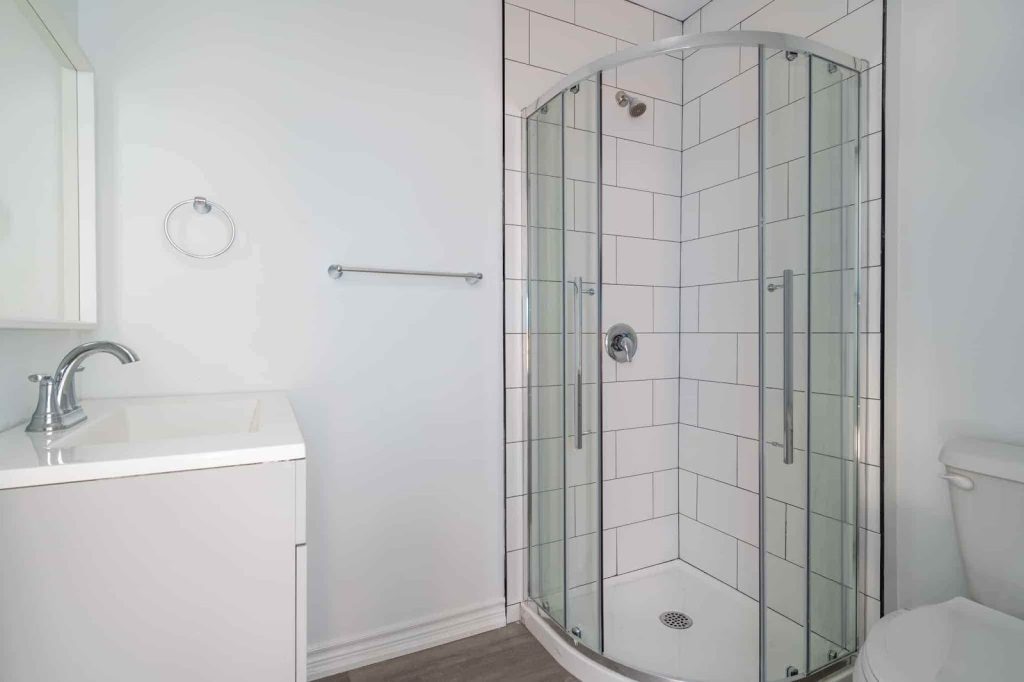
Bathrooms are prone to hidden issues, so take your time during this part of the inspection. Test all faucets and make sure the water pressure is steady and the temperature adjusts properly. Check around sinks, toilets, and tubs for leaks. Look closely at the grout and caulking for mold, discoloration, or cracking, which can signal poor maintenance.
Turn on the exhaust fan to ensure it is drawing out moisture effectively. Without proper ventilation, mold can develop quickly. Inspect walls and ceilings for water stains that could point to past leaks. Make sure mirrors and lighting fixtures are in good condition and provide adequate brightness.
Test the toilet to confirm it flushes smoothly and does not run continuously. Examine the bathtub and shower for cracks, soft spots, or mold. A well maintained bathroom reflects the overall care of the property.
Safety and Legal Items to Consider
Safety and compliance with local laws are key parts of your inspection. Start by confirming that smoke detectors and carbon monoxide alarms are installed and functional. These devices are essential for your safety and should never be missing or disconnected.
Check that doors and windows have secure locks and that exterior areas are well lit. Strong security features help protect you and your belongings. Ask about building code compliance and whether recent inspections have been completed. These details show whether the landlord is keeping up with required maintenance.
Look at emergency exits, especially if you are viewing a unit in a multi level building. Make sure exit routes are clear and accessible. Ask the landlord about insurance requirements so you understand what coverage you need. Review any past maintenance records if available, since they can give insight into how the property is managed.
Become familiar with local landlord tenant laws so you know your rights regarding repairs and safety. If the lease restricts any safety upgrades, such as installing additional locks or detectors, get clarity before signing.
Additional Features to Evaluate
Extra features can play a big role in your long term comfort. Start by confirming whether parking is available and secure. If you need storage, check basements, sheds, or dedicated storage spaces to see if they meet your needs.
If the property offers shared amenities such as a gym or laundry room, take a close look at their condition and accessibility. Ask about any additional fees tied to utilities or services, since these can affect your monthly expenses.
Consider the location and convenience of the property. Look for nearby grocery stores, transit routes, parks, and other essentials. If you have pets, confirm the pet policy and any related fees. Ask about available internet and cable options since a reliable connection is important for work and daily life.
Pay attention to the safety and atmosphere of the neighborhood by researching crime rates and walking around the area. Take note of noise levels, especially if the unit is close to busy streets or other buildings. These details can influence your quality of life.
How to Document Your Inspection Findings
Documenting your inspection helps protect you and ensures that any concerns are addressed. Take detailed notes during your walkthrough and capture clear photos of any issues you find. Timestamped pictures are especially helpful if you need to reference conditions later. Creating a checklist can help keep you organized and prevent you from missing important details.
After your visit, sort your notes and photos into a digital folder. Using an inspection app can make the process easier. If you are renting with roommates, share your findings so everyone is on the same page.
Keep copies of your documentation and provide one to the landlord if needed. Record any verbal agreements or repair commitments so expectations are clear. Before moving in, follow up on repairs that were promised during the inspection. Having everything documented gives you peace of mind and supports you if any issues come up during your tenancy.
How Found Spaces Can Help You Rent With Confidence
A thorough inspection is one of the most important steps in choosing the right rental, and Found Spaces makes that process a lot easier. Our team walks you through every key item to check so you can feel confident you are making a smart and informed decision. We help you spot issues early, document the condition of the unit with clear photos and notes, and make sure nothing slips through the cracks.
If you uncover problems that need attention, we can guide you on how to raise them with the landlord and use your findings to negotiate fair lease terms. When repairs are necessary, we can also point you toward reliable local contractors who handle the job quickly and professionally.
Understanding rental laws in Ontario can feel overwhelming, so we break down the rules in plain language and help you understand your rights and responsibilities. You also get access to helpful tools, including customizable inspection checklists, tenant resources, and communication templates that keep the entire process organized and stress-free.
If you want expert support while searching for your next rental, Found Spaces is here to help. Reach out today to get guidance, tools, and peace of mind at every step of your rental journey.

Frequently Asked Questions
What should I look for in the neighborhood when inspecting a rental property?
When inspecting a rental property, consider the neighborhood’s safety, nearby amenities like stores and parks, and the overall vibe of the area. Check if public transport is accessible and if it’s easy to get to work or school.
How can I check if the rental property is in good condition?
To check if the rental property is in good condition, look at the walls, floors, and ceilings for any signs of damage. Test appliances and plumbing, and check for leaks or mold. Pay attention to any funny smells or noises too.
What documents should I ask for before signing a lease?
Before signing a lease, ask for documents like the rental application, proof of ownership by the landlord, and any rules or regulations. It’s also smart to get a copy of the lease agreement to review before making a commitment.
How do I know if utilities are included in the rental?
To find out if utilities are included, check the lease agreement or ask the landlord directly. Utilities can mean water, gas, electricity, and internet, so be sure to clarify which are covered and which you need to pay for yourself.
What should I do if I notice problems during my property inspection?
If you notice problems during your property inspection, make a list and talk to the landlord about them before deciding to rent. It’s important to address any issues upfront so you know what to expect and can possibly negotiate fixes.
TL;DR Searching for a rental property in Canada can be tough, with varying standards across provinces. A thorough inspection before signing a lease is essential to avoid unexpected issues. Skipping this step can lead to hidden damages and safety hazards. The ultimate checklist includes checking the exterior and interior, inspecting kitchens and bathrooms, evaluating safety measures, and documenting findings. Common mistakes to avoid are skipping the walkthrough, not testing appliances, and failing to note your observations. Utilizing professional services, like Found Spaces, can further protect your interests when renting.