rental property company
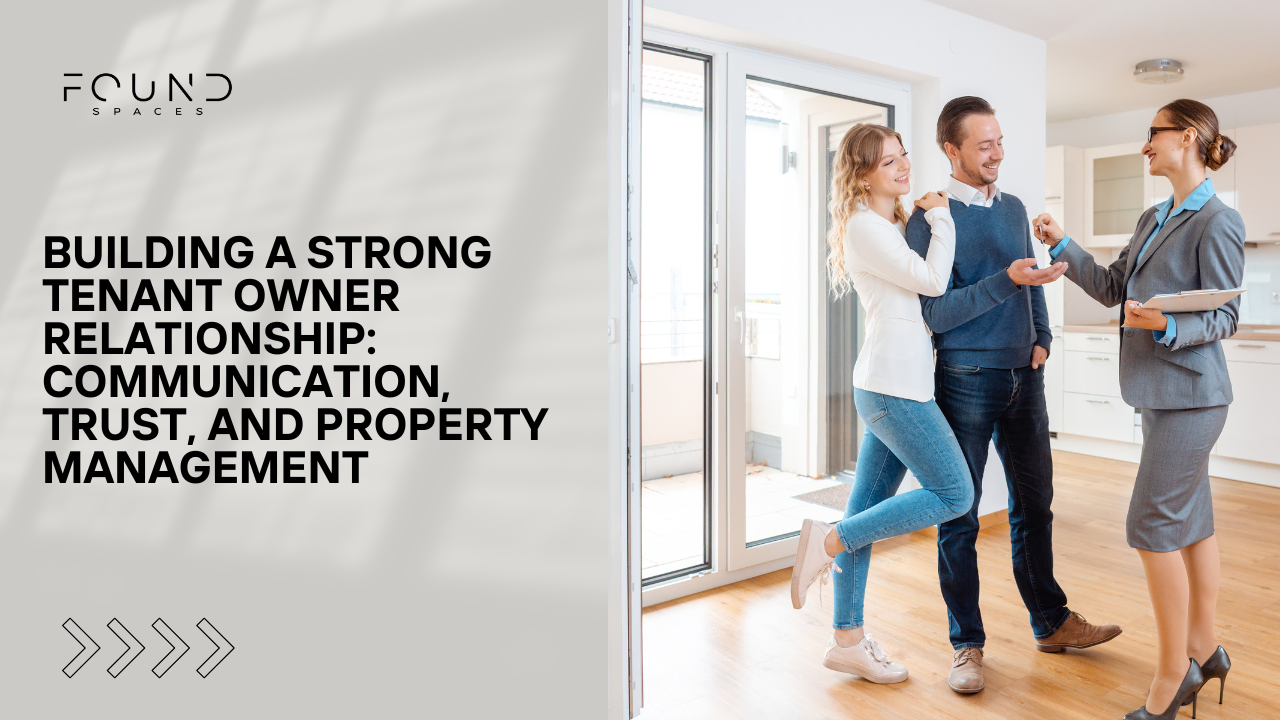
Establishing and maintaining a strong tenant owner relationship is crucial for property owners to maximize the potential of their rental properties and create a thriving, harmonious community. A positive connection between tenants and property owners leads to better communication, increased tenant satisfaction, and ultimately, a higher likelihood of retaining quality tenants.
Tenant satisfaction is an essential component of a successful rental property, as it directly influences tenant retention rates, referrals, and the property’s overall reputation. By fostering an open and trustworthy relationship with tenants, property owners enhance the overall living experience, promote a sense of inclusion and, in turn, encourage long-term commitment to the property. A strong tenant-owner relationship can also facilitate effective conflict resolution, smooth transitions during property renovations, and help maintain an inviting, well-cared-for property.
In the following sections, we will explore the significance of communication, trust-building, and the utilization of professional property management services like Found Spaces in strengthening the tenant-owner bond. By embracing these methods, property owners can ensure the stability and profitability of their rental properties while also maintaining a congenial living environment for tenants.

Building a Strong Tenant Owner Relationship by Effective Communication: The Foundation of Positive Relationships
Clear, open communication is a critical aspect of building and maintaining strong tenant-owner relationships. Here are some best practices for fostering effective communication:
1. Choose the Right Communication Channels
Offering multiple communication channels, such as phone, email, and online portals, ensures tenants can easily reach out and engage with property owners in their preferred method. Having a dedicated point of contact can help streamline communication and minimize confusion.
2. Be Responsive and Approachable
Promptly and professionally addressing tenant inquiries demonstrates a commitment to their well-being and fosters a sense of trust. Approachable and accommodating property owners are more likely to build a positive rapport with tenants.
3. Keep Tenants Informed
Regularly sharing updates on property news, maintenance schedules, and community events helps keep tenants informed and engaged. Transparent communication contributes to tenant satisfaction and promotes a sense of inclusion in the rental community.
Trust-Building Initiatives: The Bedrock of Long-Term Relationships
Establishing trust between property owners and tenants lays the groundwork for sustainable, long-lasting relationships. Consider these trust-building initiatives:
1. Create Comprehensive Lease Agreements
Clearly outline all terms, conditions, and responsibilities in the lease agreement to prevent misunderstandings and ensure both parties are on the same page regarding expectations.
2. Timely Maintenance and Repairs
Addressing maintenance and repair requests promptly and efficiently demonstrates respect for tenants’ well-being and shows that property owners value their living experience.
3. Respect Tenant Privacy
Respecting the privacy of tenants and adhering to legal guidelines related to property access fosters trust and upholds the tenants’ sense of security in their home.
Professional Property Management: Enhancing Tenant-Owner Relationships
Partnering with a professional property management service like Found Spaces can further strengthen tenant-owner relationships while easing the burden on property owners. Here’s how Found Spaces can be instrumental in cultivating positive tenant-owner relationships:
1. Efficient Communication Management
By providing dedicated communication channels and timely responses, Found Spaces ensures tenants have a reliable point of contact for their concerns, streamlining the communication process and simplifying the tenant experience.
2. Consistent Maintenance and Upkeep
Found Spaces takes responsibility for managing property maintenance, repairs, and regular inspections, ensuring a well-maintained property and healthy, satisfied tenants.
3. Regulatory Compliance
With their knowledge and expertise, Found Spaces ensures that property owners adhere to all legal requirements, building trust with tenants and ensuring a fair and responsible rental environment.
Best Practices for Tenant Engagement and Satisfaction
In addition to communication and trust-building strategies, property owners can further enhance tenant satisfaction and engagement through the following practices:
1. Tenant Surveys and Feedback Collection
Regularly soliciting feedback from tenants can provide valuable insights into their satisfaction levels, areas of concern, and suggestions for improvement. Being receptive to tenant feedback and acting upon their suggestions can foster a sense of trust and appreciation.
2. Hosting Community Events
Organizing social events for tenants, such as holiday gatherings or seasonal celebrations, can help foster a sense of community and belonging among residents. These events can also create an opportunity for tenants to connect with property owners on a more personal level.

Conclusion
Building a strong tenant-owner relationship is an essential component of creating a prosperous, harmonious rental community. By focusing on effective communication, trust-building initiatives, and professional property management services like Found Spaces, property owners can foster long-lasting, positive relationships with their tenants and ensure their property’s success in the competitive rental market. Cultivate a nurturing and supportive rental environment by embracing the best practices discussed in this article, and discover the power of positive tenant-owner relationships as a key factor in maximizing your property’s potential.
At Found Spaces, we offer advanced property management services that can help property owners build and maintain strong tenant-owner relationships. Our team of experienced property managers can assist with everything from tenant screening and lease agreements to maintenance and repairs, ensuring that both tenants and owners are satisfied and their needs are met. Don’t miss out on the opportunity to create a prosperous, harmonious rental community – contact us now to learn more!