

Hamilton landlords have a real opportunity in 2026 to maximize rental income by targeting students from McMaster University. The demand for off-campus housing is high, and properties in neighborhoods like Westdale and Ainslie Wood can generate strong returns with the right strategy. Success depends on understanding local rules, staying compliant with city licensing requirements, and timing your listing correctly. This is particularly important for student Rentals Near McMaster University.
The best window to attract tenants is March through May, aligning with student search patterns for the upcoming academic year. Miss this period, and you risk extended vacancies. Renting to students also means higher turnover and more hands-on management, but careful planning can turn these challenges into profit. Found Spaces helps landlords navigate these complexities, from compliance to tenant screening, ensuring your student rental not only meets regulations but also achieves its revenue potential.
Is Renting to McMaster Students Profitable in 2026?
Renting to McMaster University students can be highly profitable for landlords in Hamilton, but it requires careful planning and market insight. Properties in Westdale and Ainslie Wood can command strong per-bedroom rents, often outperforming traditional whole-unit leases. For example, a 4-bedroom home can generate between $3,800 and $4,400 monthly gross, depending on room pricing, seasonal demand, and amenities such as high-speed internet, laundry facilities, and study rooms. Using a per-bedroom model allows landlords to capture higher revenue while catering to shared accommodations, a growing trend in Hamilton student housing. Thus, student Rentals Near McMaster University present a lucrative opportunity.
Timing is critical. Listing late or missing the March-to-May window can result in vacancies that erode profits. Landlords also face increased management responsibilities due to tenant turnover and shared suites dynamics. Found Spaces helps property owners navigate these challenges, offering guidance on pricing strategies, marketing to students, and managing compliance. By working with Found Spaces, landlords can maximize revenue while minimizing risk, ensuring that their off-campus homes deliver consistent returns in the competitive McMaster student housing market.
Best Neighbourhoods for Student Rentals Near McMaster University
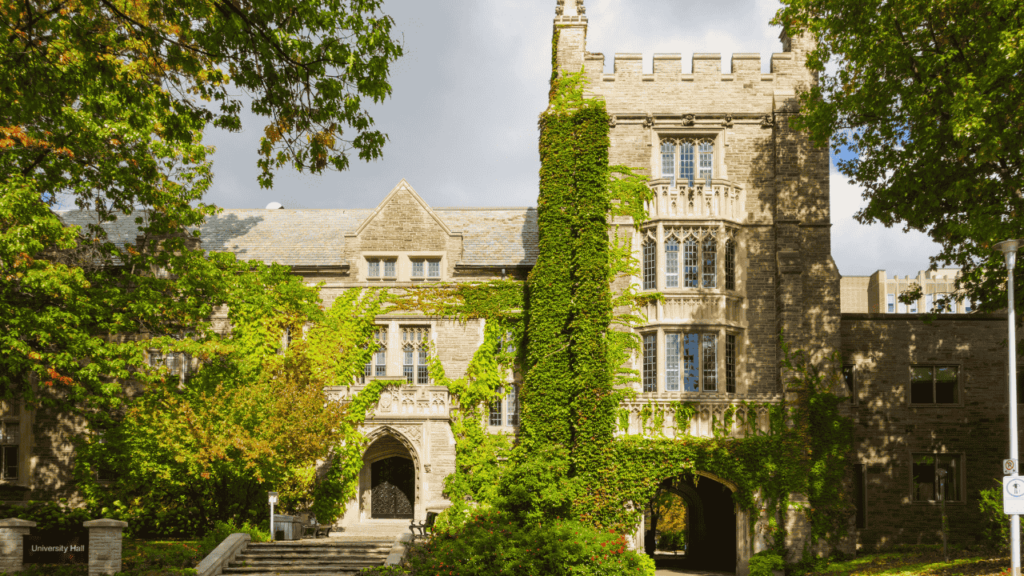
For landlords focused on McMaster University students, location determines both occupancy and revenue. Westdale is highly desirable due to its walking distance to campus, easy access to Downtown Hamilton amenities, and vibrant student community. However, Westdale faces increased enforcement scrutiny, strict parking regulations, and limited driveway capacity. Landlords must ensure licensing compliance and plan for tenant turnover to maintain profitability.
Ainslie Wood is another top choice, offering dense student housing and strong demand for shared accommodations. Properties here often require more maintenance due to older structures, but competitive rents and proximity to high-demand faculties like the Faculty of Humanities make them attractive for landlords. Found Spaces provides local insight into both neighborhoods, helping landlords set fair rents, equip properties with study rooms, high-speed internet, and laundry facilities, and attract students efficiently. By leveraging Found Spaces expertise, property owners can confidently invest in McMaster student housing, turning off-campus homes into reliable revenue streams.
2026 Rules Hamilton Landlords Must Understand
Hamilton landlords renting to McMaster University students must follow strict regulations to avoid fines and legal issues. Certain wards, including parts of Westdale and Ainslie Wood, require rental licensing for properties with five or fewer self-contained units. Fire codes and bedroom egress standards must be met, and over-occupancy can trigger inspections. Parking violations are monitored closely in Westdale, making compliance essential to avoid complaints and penalties.
Lease structure also matters. Joint leases are recommended for shared accommodations, reducing the risk of missed rent and tenant disputes. Found Spaces assists landlords in navigating these rules, from licensing applications to inspection readiness, ensuring properties meet Hamilton student housing requirements. High-speed internet, laundry facilities, and proper study rooms can improve tenant satisfaction while staying within compliance guidelines. By working with Found Spaces, landlords gain confidence that their off-campus homes are both profitable and legally sound, allowing them to focus on maximizing returns rather than managing regulatory headaches.
Real Risks of Renting to Students
Renting to McMaster University students can be profitable, but landlords in Westdale and Ainslie Wood face unique risks that need careful management. High turnover is a major factor: students typically lease for a single academic year, which means landlords must prepare units for new tenants each cycle. Shared accommodations increase the chance of property wear, requiring frequent maintenance of kitchens, bathrooms, and flooring. Noise complaints can also arise from busy student households, especially in neighborhoods with tight parking or high density.
Financial planning is crucial. Summer vacancies may leave units unoccupied unless proactive leasing strategies are used. Found Spaces helps landlords manage these risks with tenant screening, lease structuring, and maintenance planning. Their expertise in Hamilton student housing ensures compliance with local licensing rules, occupancy limits, and parking regulations while optimizing revenue. By partnering with Found Spaces, property owners reduce the stress of managing student suites, maintain higher occupancy rates, and protect their investment from costly surprises. Proper planning turns potential headaches into a predictable, profitable rental experience.
How Much Can You Earn Renting to McMaster Students
Student housing near McMaster University can outperform traditional leases when priced strategically. For example, a 4-bedroom property in Westdale with high-speed internet, laundry facilities, and study rooms can command $950–$1,100 per room. This translates to $3,800–$4,400 in gross monthly revenue and $45,600–$52,800 annually. A 5-bedroom property in Ainslie Wood can generate even higher income depending on amenities and seasonal demand. Compared to a typical single-family lease in Hamilton, which may yield $2,500–$3,200 monthly, student suites clearly offer stronger earning potential.
Landlords must factor in management costs, such as cleaning between tenants, minor repairs, and shared accommodations oversight. Found Spaces helps property owners calculate accurate ROI, optimize pricing, and implement features students value, including study rooms, shared accommodations, and internet access. By leveraging Found Spaces’ local expertise, landlords can turn off-campus homes into highly profitable student rentals while staying compliant with 2026 licensing rules. Their guidance ensures that revenue opportunities are fully realized without unnecessary risk.
When Should You List for September 2026?

The key to securing students from McMaster University is timing. The peak search period for off-campus housing runs from March to May, and landlords who miss this window risk vacant units and lost revenue. Found Spaces recommends listing properties early in this period to capture high-intent tenants looking for shared accommodations, study-friendly suites, and convenient access to campus. Properties in Westdale and Ainslie Wood fill quickly during this peak, especially those offering high-speed internet, laundry facilities, and well-maintained common spaces.
Advertising platforms such as the McMaster Student Housing Postboard and Kijiji Hamilton reach thousands of students actively seeking off-campus homes. Found Spaces supports landlords with professional marketing strategies, tenant screening, and lease management, ensuring properties are listed effectively and compliant with Hamilton regulations. Acting early also allows landlords to optimize pricing per bedroom, maximize occupancy, and reduce the stress of last-minute leasing. By leveraging Found Spaces’ expertise, landlords can confidently prepare for September 2026, turning their off-campus properties into reliable revenue streams while mitigating vacancy risk.
Self-Managing vs Using a Leasing Service
Deciding whether to self-manage student rentals or hire a property manager is a critical choice for Hamilton landlords. Self-management can offer higher margins but requires handling tenant inquiries, maintenance, and compliance with licensing rules in Westdale and Ainslie Wood. Managing shared accommodations, study rooms, and seasonal turnover adds to the workload, making errors costly.
Found Spaces provides an alternative that reduces stress while maintaining profitability. Their team manages tenant screening, lease agreements, and adherence to 2026 Hamilton rental licensing rules. They ensure properties are equipped with high-speed internet, laundry facilities, and other features students value, which increases appeal and reduces vacancy risk. Landlords partnering with Found Spaces benefit from professional oversight, timely maintenance, and marketing expertise, all while staying compliant.
Using a leasing service also protects landlords from potential disputes and late payments common in student suites. Found Spaces integrates local knowledge, market insights, and operational efficiency to help landlords in Westdale and Ainslie Wood maximize returns. With their support, managing McMaster student housing becomes predictable, profitable, and less stressful.
Own Property in Westdale or Ainslie Wood? Let Found Spaces Secure Your September Tenants
If you own student housing near McMaster University, the difference between a fully leased property and months of vacancy often comes down to timing, compliance, and execution. In competitive pockets like Westdale and Ainslie Wood, students move quickly during the March to May leasing window. Landlords who are not prepared risk missing serious applicants and facing avoidable turnover costs.
Found Spaces specializes in Hamilton student housing. From pricing your rooms correctly to marketing on high-visibility platforms such as the McMaster Student Housing Postboard, Found Spaces ensures your off-campus homes stand out. Their team handles tenant screening, joint lease structuring, rental licensing coordination, and compliance with occupancy and property standards requirements. That means fewer headaches, fewer disputes, and more predictable revenue.
Whether you manage one student suite or a portfolio of shared accommodations, Found Spaces helps you lease faster and operate confidently in 2026’s stricter enforcement environment.
Ready to secure qualified September tenants? Contact Found Spaces today and turn your McMaster rental into a fully leased, compliant, and profitable property.

Frequently Asked Questions
Is renting to McMaster students profitable in 2026?
Yes. Student suites in Westdale and Ainslie Wood can outperform traditional leases when listed during the March-to-May peak season and managed proactively.
Do student rentals in Westdale require licensing?
Yes. Certain wards mandate rental licensing for properties with five or fewer self-contained units. Landlords should verify local requirements before listing.
When should I list for September 2026?
March to May is the prime leasing window. Listings after June risk vacancies and lower student interest.
How many students can live in one house?
Occupancy depends on zoning, bedroom size, and safety standards. Overcrowding can result in fines and enforcement visits.
Should I use joint or individual leases?
Joint leases are recommended for student suites. They reduce payment risk, simplify enforcement, and help manage shared accommodations efficiently.
TL;DR: Renting to McMaster students in Hamilton in 2026 can be a profitable venture, driven by high demand for off-campus housing. Key factors include understanding rental licensing requirements, managing properties effectively, and timing listings from March to May to attract tenants. Popular neighborhoods like Westdale and Ainslie Wood continue to see strong interest, but landlords must navigate compliance risks and be prepared for higher turnover and maintenance needs. Potential revenue from renting by the room can significantly exceed traditional leasing. For landlords looking to simplify the process, professional leasing services can provide valuable support in screening tenants and ensuring legal compliance.