Property Management Companies for Apartments
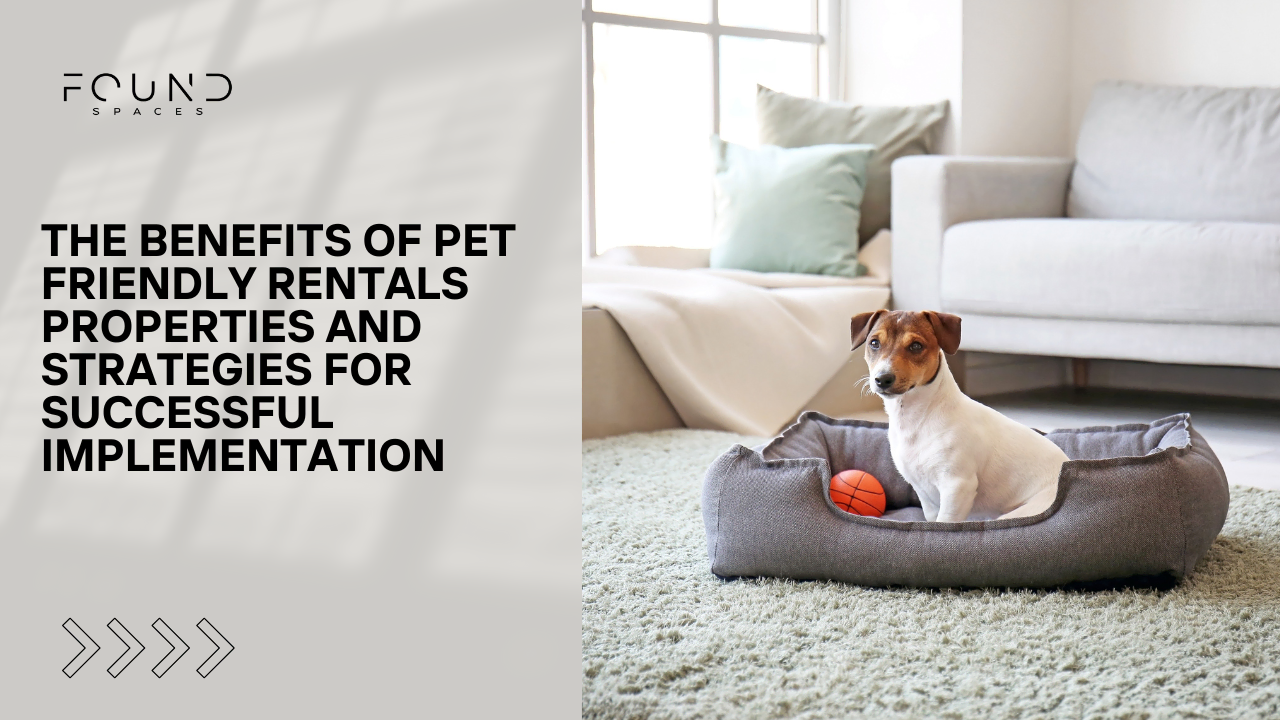
The demand for pet friendly rentals properties has increased significantly in recent years, with more and more renters searching for accommodations that cater to their four-legged family members. As a rental property owner, embracing a pet friendly approach can offer numerous benefits, including access to a larger pool of potential tenants, increased tenant satisfaction, and potentially higher rental income. In this article, we will delve into the advantages of making your rental property pet friendly and provide practical strategies to help you create and manage a harmonious and profitable pet friendly rentals community.
Adopting a pet friendly policy can not only expand your target demographic but also lead to longer tenancy durations, as renters with pets often find it more challenging to secure compatible accommodations. By providing pet friendly rentals, you can help address this growing demand and offer a sought-after solution to a significant portion of the rental market. Furthermore, pet friendly properties can help establish a supportive and welcoming atmosphere, promoting tenant satisfaction and fostering a sense of community.
Laying the Groundwork for a Pet Friendly Rentals Property
Before officially opening your doors to pets, there are some key considerations and groundwork to be established to ensure a smooth transition.
1. Review Local Legislation and Regulations: Begin by understanding the laws and regulations in your area related to pets in rental properties. This includes any breed restrictions or limitations imposed by local authorities.
2. Establish Clear Pet Policies: Develop a clear pet policy outlining the types of pets allowed, size or breed restrictions, required pet fees or deposits, and pet owner responsibilities. This policy should be made available to all prospective tenants, ensuring they understand the expectations and guidelines for pet ownership within your rental community.
Managing Potential Challenges and Risks
Efficiently addressing potential challenges and risks is crucial to maintaining a successful pet friendly rentals environment and mitigating any negative impacts on your property.
1. Implement Safety Measures: Ensure your property is adequately secured to prevent pets from escaping or roaming, such as installing secure gates and fencing. Additionally, consider designating specific pet friendly zones, restrict certain areas, or require leashing in common areas to maintain safety for both pets and residents alike.
2. Address Noise Concerns: Set guidelines to address potential noise disruptions caused by pets, such as barking dogs. Encourage tenant communication and cooperation to resolve noise-related issues promptly and respectfully.
Effective Property Maintenance in Pet Friendly Rentals
Property maintenance is an essential aspect of managing a pet friendly rentals community. By diligently addressing any pet related wear and tear, you can maintain an attractive and comfortable living environment for all tenants.
1. Regular Inspections and Maintenance: Schedule regular inspections to assess any pet related damage and promptly address issues through routine maintenance. Identify and utilize pet resistant materials and finishes for flooring, walls, and surface areas whenever possible.
2. Offer Convenient Pet Facilities: Provide accessible facilities and amenities specifically catered to pets and their owners, such as designated pet waste disposal areas and pet washing stations. This not only adds value and convenience but also encourages responsibility and compliance from pet owners.
Engaging Pet Owners and Promoting Responsibility
Fostering a sense of responsibility and cooperation among pet owners is vital for creating a thriving and harmonious pet friendly rentals community.
1. Encourage Open Communication: Encourage ongoing dialogue between property management and pet owners, addressing any issues or concerns that may arise. Open communication fosters a sense of understanding and mutual respect, which is crucial for maintaining harmony within the rental community.
2. Host Pet Friendly Social Events: Organize pet friendly events and activities to engage pet owners and promote a sense of community. This can also encourage residents to share pet care tips and advice, which can prove invaluable for fostering responsibility and creating a supportive environment.
The Role of Advanced Technology and Property Management Services in Pet Friendly Rentals
Technology-driven property management services like Found Spaces can streamline the process of managing pet friendly rentals properties while offering valuable tools and resources.
1. Online Tenant Portals: Utilize online portals for prospective tenants to submit pet information, access pet policies, and complete any required documentation. This can streamline the pet approval process and help ensure compliance with the established guidelines.
2. Efficient Communication and Maintenance Solutions: By using advanced technology, property management services can facilitate efficient communication and maintenance solutions, addressing pet related concerns promptly and effectively. This contributes to a well-maintained and desirable living environment for both pets and their owners.
Conclusion
Ultimately, the decision to make your rental property pet friendly can positively impact tenant satisfaction, retention rates, and profitability. By carefully navigating potential challenges and employing effective strategies, you can create a welcoming and harmonious environment that caters to the growing demand for pet friendly rentals accommodations.
Partnering with advanced property management solutions like Found Spaces can further support your efforts, providing valuable technological innovations and insights to help manage and maintain your thriving pet friendly rentals community. By embracing this popular trend, you can maximize your property’s potential while offering a unique and fulfilling experience for pets and their owners.