
Imagine it’s mid-January in Ontario and a tenant calls to report that the heating system has failed during a cold snap. You check your records, only to realize the maintenance log is incomplete and the notice you sent last year used an outdated LTB form. Small oversights like this can quickly turn into disputes, fines, or even delays at the Landlord and Tenant Board.
In 2026, Ontario landlords must stay on top of their legal obligations to avoid situations like this. From ensuring rental units are safe and well-maintained to providing proper notice before entering a unit, meeting these responsibilities protects both tenants and landlords. Proper record-keeping, timely repairs, and using current LTB forms are not just procedural steps; they are critical tools to manage risk and maintain trust with tenants.
At Found Spaces, we help landlords understand practical compliance strategies for 2026. This guide breaks down Ontario landlord legal obligations in 2026 clearly and concisely, giving you the confidence to manage your properties effectively.
What Are Ontario Landlord Legal Obligations in 2026?
In 2026, Ontario landlords face responsibilities that go beyond simply collecting rent. Failing to meet even small obligations can lead to tenant complaints, LTB disputes, or financial penalties. Staying informed and proactive is key to protecting your properties and tenants.
Key landlord obligations include:
- Maintain the unit in good repair: Ensure heating, plumbing, and electrical systems are functional. Address hazards immediately, regardless of rental price.
- Health and safety compliance: Install and maintain smoke and carbon monoxide detectors. Keep common areas safe, clean, and well-lit.
- Respect tenant privacy and entry rules: Provide at least 24 hours’ written notice before entering a unit, unless it’s an emergency.
- Accessibility standards: Ensure units comply with accessibility requirements for tenants with disabilities.
- Written tenancy agreements: Clearly outline rental terms and conditions.
Following these practices not only keeps landlords compliant with Ontario landlord tenant law 2026 but also builds trust and positive relationships with tenants. Found Spaces can help you implement systems that make compliance manageable and stress-free.
Which LTB Forms and Notice Requirements Must Ontario Landlords Follow in 2026?

Using the correct LTB forms and notices is a critical part of landlord compliance. Mistakes can delay proceedings or invalidate notices entirely.
Top LTB forms and requirements:
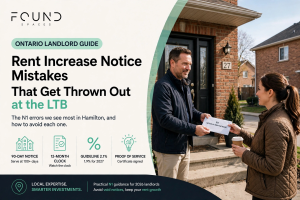
- N1 Form – Rent Increase Notice: Provide at least 90 days’ written notice for legal rent increases. Keep records for accountability.
- N4 Form – Notice to End Tenancy Early: Must be completed accurately to avoid rejection by the LTB.
- Eviction or dispute notices: Always follow proper submission procedures and keep proof of service.
- Electronic notices: Confirm whether email or electronic delivery is acceptable in your tenancy agreements.
Regularly check LTB updates to stay compliant. Keeping these forms organized protects landlords and reduces the risk of disputes with tenants.
What Maintenance and Habitability Standards Must Ontario Landlords Meet in 2026?

In 2026, Ontario landlords are responsible for more than just fixing things when they break. Maintaining safe, functional, and habitable rental units is essential; not only to meet legal obligations but to prevent tenant complaints and potential disputes at the LTB.
Picture a tenant reporting a broken heater during a January cold snap. A landlord who hasn’t inspected the system or kept maintenance records risks not only an unhappy tenant but possible fines. Essential services like heat, water, and electricity must be available consistently, and smoke alarms, carbon monoxide detectors, and fire extinguishers should be regularly checked and maintained. Repairs and upgrades, whether a leaky faucet or a faulty appliance, should be addressed promptly to avoid safety issues or escalation.
Regular inspections help catch hazards early, from structural concerns to pest infestations, and landlords must respond immediately when problems arise. Security measures, such as functioning locks and well-lit common areas, are also crucial for tenant safety. Seasonal upkeep like snow removal and gutter cleaning can prevent accidents and maintain habitability throughout the year.
Keeping detailed records of all maintenance work and tenant communications not only demonstrates compliance with Ontario landlord legal obligations 2026 but also fosters trust and reduces the risk of disputes. Found Spaces helps landlords create practical maintenance schedules and documentation systems to make staying compliant straightforward and stress-free.
How Can Ontario Landlords Legally Increase Rent in 2026?
Rent increases can be one of the trickiest areas for landlords, and missteps can quickly lead to disputes or LTB challenges. In 2026, Ontario landlords must follow clear rules to stay compliant while maintaining tenant trust.
For most rental units, tenants must receive at least 90 days’ written notice before any rent increase takes effect. The provincial guideline for 2026 sets the maximum allowable increase at 2.1 percent, though units first occupied after November 15, 2018, are exempt and can have rent set without restriction. Landlords who attempt above-guideline increases must follow strict LTB procedures, usually tied to major renovations or capital improvements.
It’s important to remember that additional costs, like repairs or maintenance, cannot be added to rent increases; they must be handled separately. Keeping detailed records of all rent increase notices and communications protects landlords if tenants question the changes and ensures full compliance with Ontario landlord legal obligations 2026. Clear communication and careful documentation turn a potentially tense process into a transparent and manageable one.
What Records Should Ontario Landlords Keep?

Many disputes at the Landlord and Tenant Board could be avoided with organized record-keeping. In 2026, Ontario landlords are expected to maintain thorough documentation to stay compliant and protect their properties.
Imagine a tenant challenging a rent increase or reporting a repair issue. Without proper maintenance logs, copies of notices, or communication records, proving compliance can become stressful and costly. Landlords should keep detailed records of all repairs, inspections, and upgrades as well as copies of notices served to tenants with proof of delivery. Communication records, including emails, calls, and in-person discussions, help clarify misunderstandings. Lease agreements, tenant applications, financial records, and utility bills should be current and easily accessible. If eviction becomes necessary, all filings and correspondence with the LTB must be documented.
Well-maintained records demonstrate professionalism, reduce legal risk, and streamline property management. Found Spaces provides practical templates and guidance to help landlords create organized and compliant record systems that save time and prevent disputes.
What This Means for Ontario Landlords in 2026
Compliance is more than following rules. It protects your investment and supports positive relationships with tenants. Staying on top of Ontario landlord legal obligations 2026 reduces disputes and makes property management smoother.
Landlords should focus on staying informed about updates to the Residential Tenancies Act and other relevant laws. Documenting repairs, inspections, notices, and tenant communications can prevent misunderstandings and provide solid proof of compliance. Routine maintenance keeps properties in good condition and lowers the chance of emergency repairs. Educating tenants about their rights encourages respectful communication. Planning finances for rent increases, repairs, and operational costs helps avoid surprises. Adaptability is important because tenant needs and legislation can change.
These strategies create a stable rental environment. Found Spaces offers tools, advice, and templates to help Ontario landlords manage records, stay compliant, and run their properties with confidence.
Stay Compliant and Confident with Found Spaces
Managing rental properties in Ontario comes with clear legal responsibilities, and staying on top of them can feel overwhelming. From maintenance and habitability to rent increases, record-keeping, and proper LTB forms, missing even one detail can lead to disputes or fines. That’s where Found Spaces can help.
Our team provides practical guidance, tools, and templates designed specifically for Ontario landlords. We help you create organized maintenance schedules, keep accurate records, and navigate landlord-tenant obligations with confidence. Whether you need help understanding rent increase rules, maintaining compliance documentation, or streamlining day-to-day property management, Found Spaces makes it easier to protect your investment and foster positive relationships with tenants.
Take the guesswork out of managing your properties. Contact Found Spaces today to get expert support and resources that keep you compliant, prepared, and in control.

Frequently Asked Questions
What are Ontario landlord legal obligations in 2026?
Landlords must provide safe, habitable units, respect privacy, maintain essential services, and follow proper notice and documentation procedures.
How should landlords handle tenant complaints?
Address complaints promptly, communicate clearly, and document all actions.
What notice is required before entering a rental unit?
At least 24 hours’ written notice, unless it is an emergency.
What legal documents must landlords provide?
A written tenancy agreement outlining rental terms and property rules.
What are landlords’ pest control responsibilities?
Landlords must respond immediately to infestations and maintain clean, pest-free properties.
Which records are most important for Ontario landlords?
Maintenance logs, notices served, communication records, leases, financial statements, and eviction documentation.
TL;DR: In 2026, Ontario landlords must meet key legal obligations to keep rental units safe, habitable, and compliant. This includes maintaining essential services, following health and safety standards, respecting tenant privacy, and providing proper notice before entering units. Landlords must use correct LTB forms, follow rent increase rules, and keep thorough records of maintenance, communications, and notices. Staying organized and proactive protects landlords from disputes and ensures smooth property management. Found Spaces provides tools and guidance to help Ontario landlords navigate these obligations with confidence.